- Crossing
- About 20 minutes by ferry
- Fastest
- Marmaray — under the sea
- Time needed
- Half a day each for Üsküdar and Kadıköy
- Best for
- A return visit and a slow day
Crossing to the other side: ferry, Marmaray, car
There are three ways across to the Asian side, and for a single day they are not the same thing.
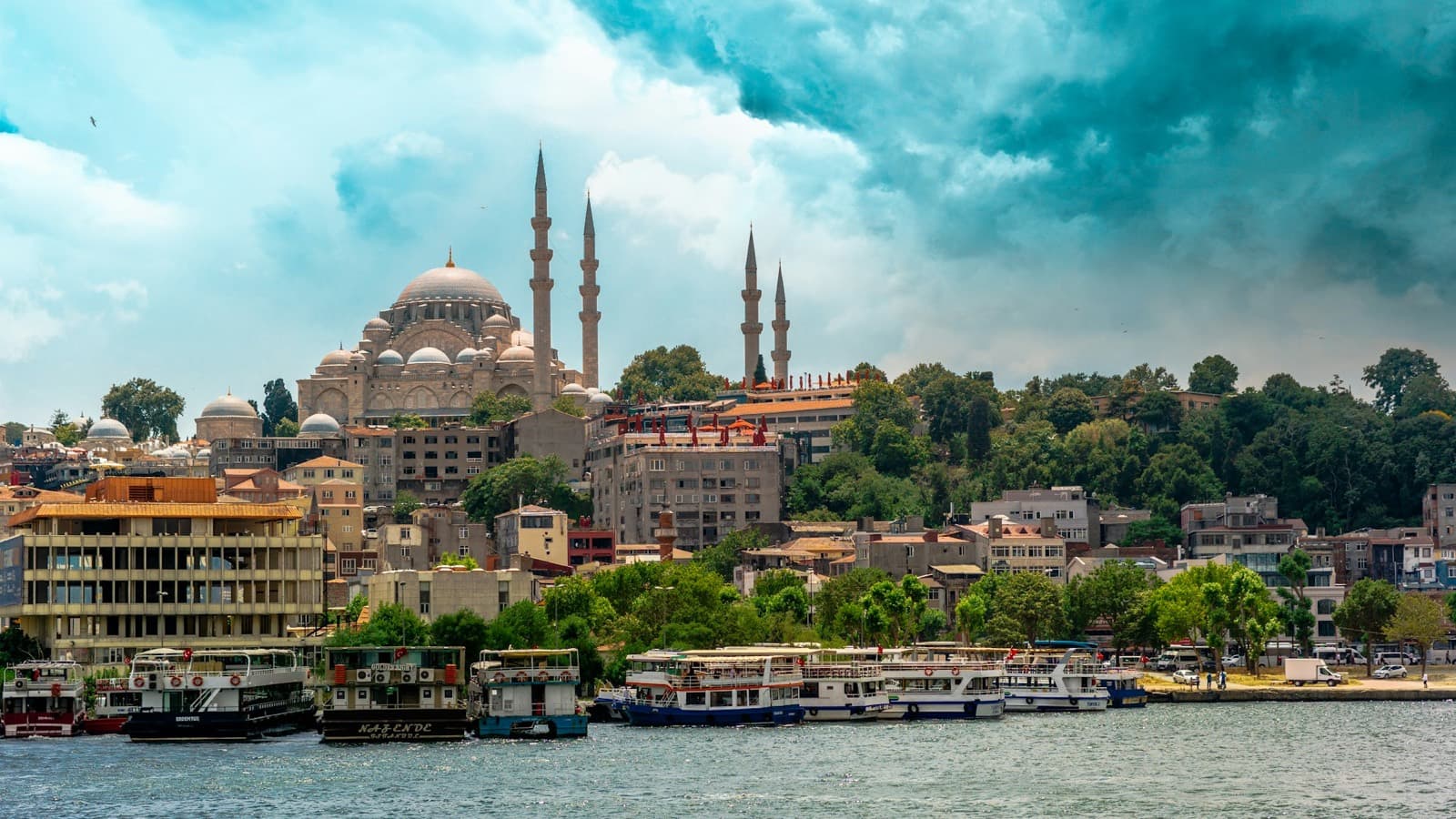
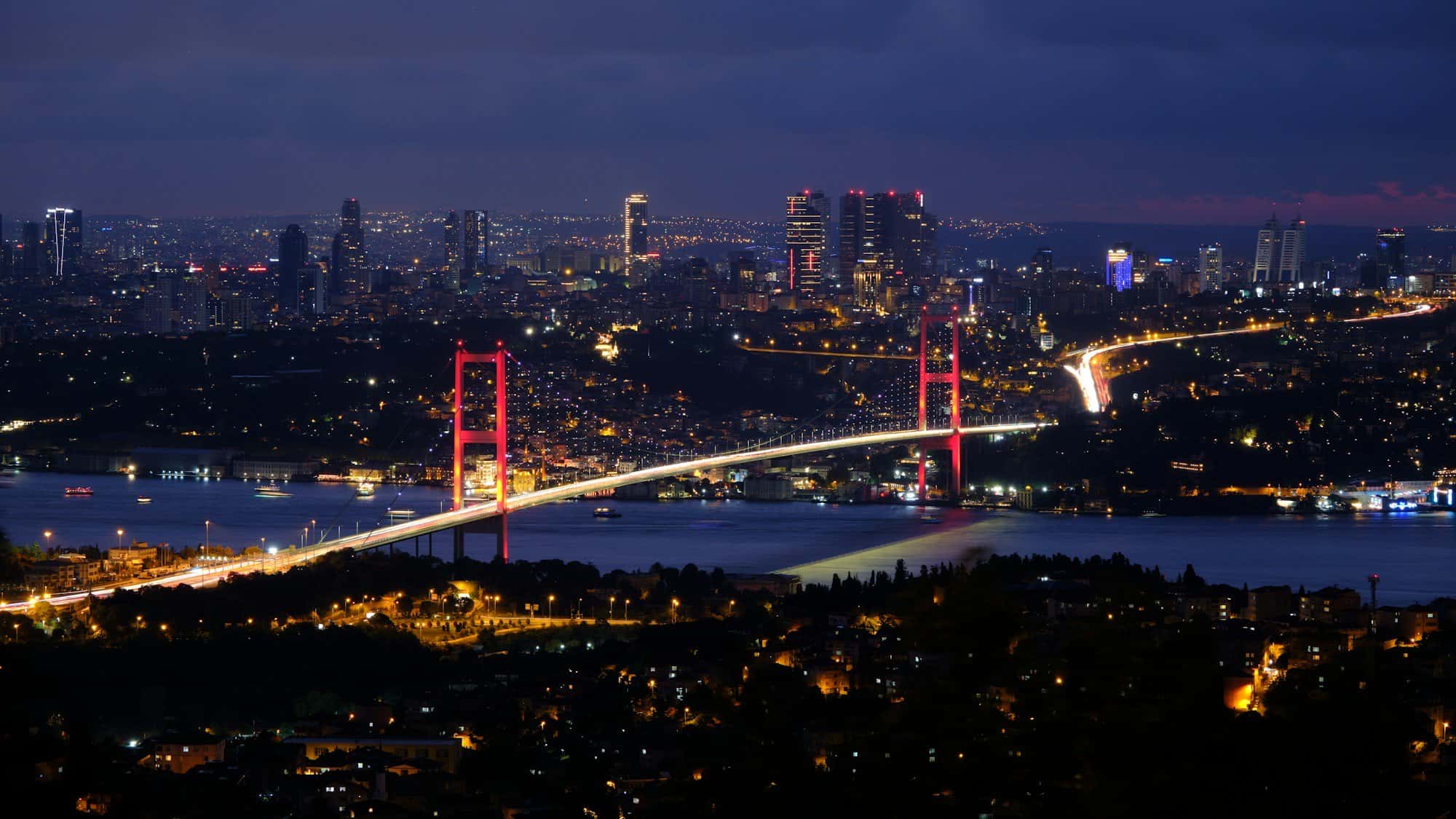
The ferry is the best of them, because the crossing itself is part of the day. Boats to Kadıköy leave from Eminönü, Karaköy, Beşiktaş and Kabataş; boats to Üsküdar from Eminönü, Beşiktaş and Kabataş. The trip is about twenty minutes and runs on the public transport fare — the cheapest Bosphorus view in the city. Go up on deck; sitting inside is not the same thing.
Marmaray is the rail line that runs under the sea: Sirkeci to Üsküdar takes a few minutes, and it is the fastest option in bad weather or when you are pressed. There is no view, because you are inside the tunnel.
Driving across is the slowest choice, and waiting on the bridge is normal even in the middle of the day. If a programme starts on the Asian side and ends there, a car makes sense; for going and coming back it does not. The real cost of changing sides is not in kilometres but in hours.
A practical shape is this: cross by ferry in the morning, spend the day on the other side, come back by ferry in the evening. If the return boat lands on sunset, the twenty most photographed minutes in the city come to you.
Üsküdar: the shore, the mosques and the hill
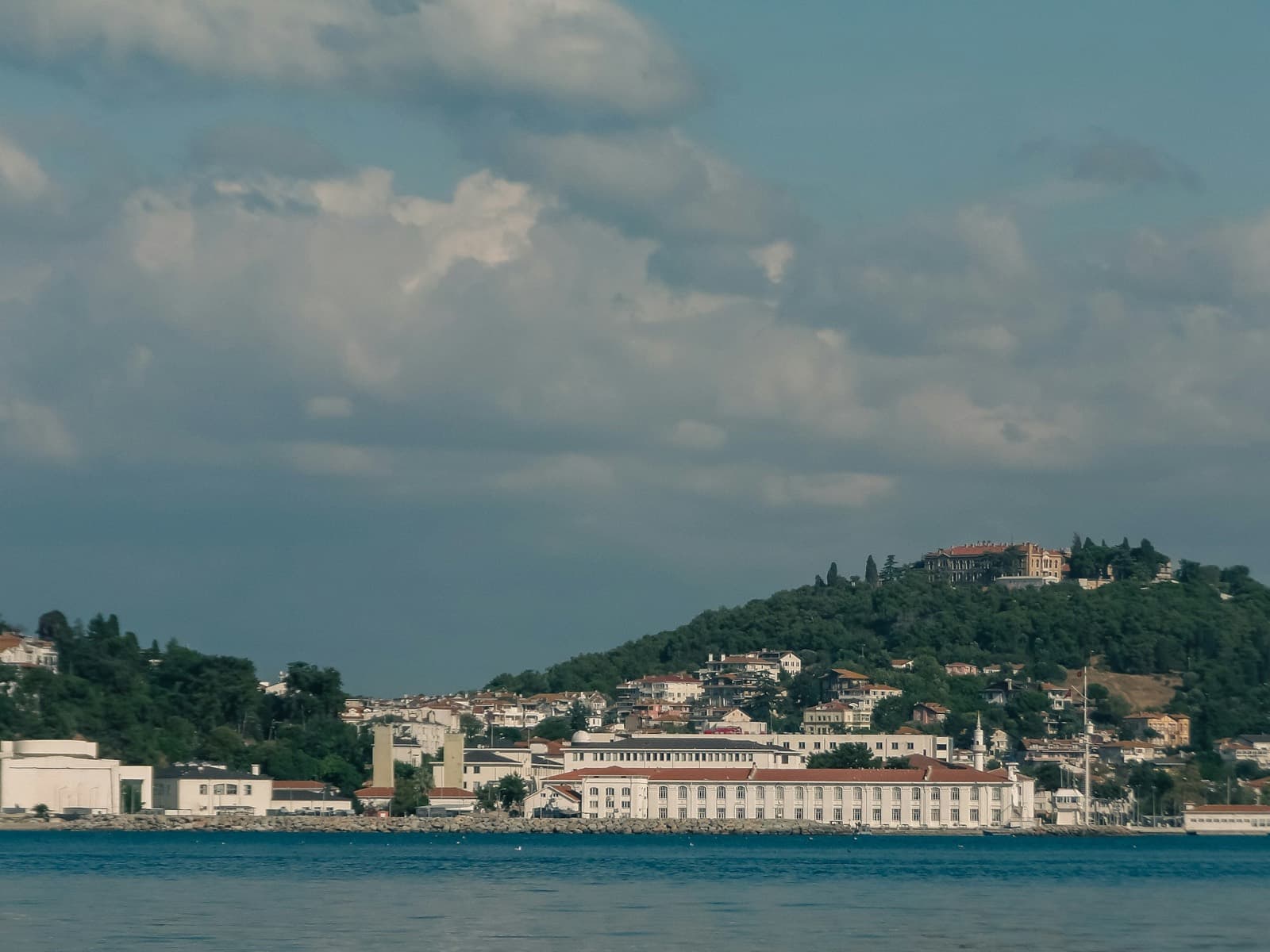
Üsküdar starts the moment you step off the pier: two works by Mimar Sinan stand on the square itself — Mihrimah Sultan Mosque directly opposite the landing, and Şemsi Paşa Mosque right at the water's edge, one of the smallest in the city. Both are free and both take a few minutes.
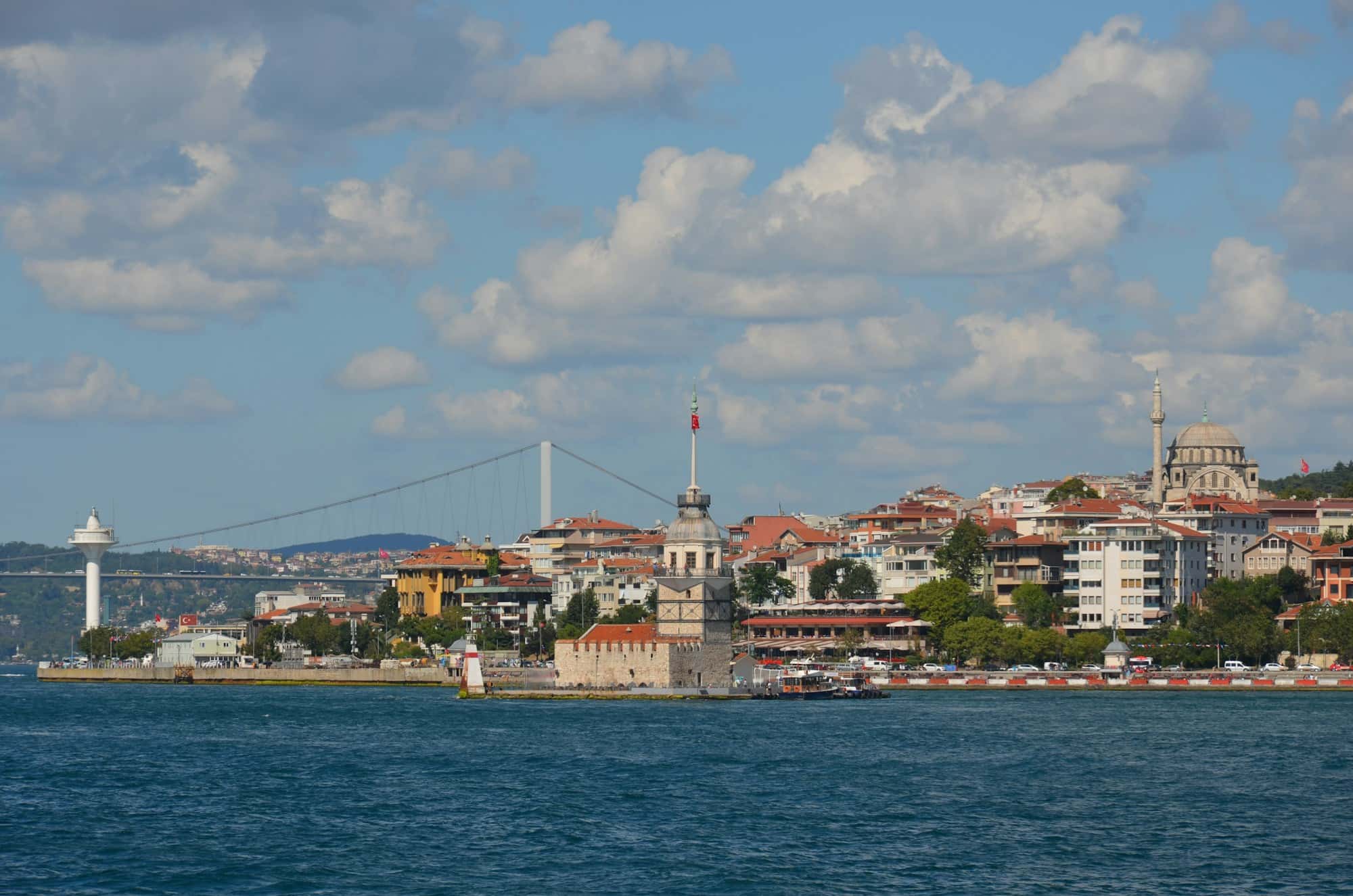
Walking south along the shore brings you to Salacak. This is where the Maiden's Tower is seen from across the water, and in the late afternoon the sun goes down behind the historic peninsula — the city's best-known silhouette is visible from exactly this spot. Going out to the tower itself is a separate boat and a separate ticket; looking at it from the shore is free.
On the hill behind Üsküdar stands Çamlıca: the widest view over the city and the largest mosque in Türkiye, in the same place. The car park is large, which tells you it is a place you drive to; from the ferry it is a fifteen-minute taxi ride on top.
The shore line runs north as well. Beylerbeyi Palace sits directly under the bridge and is ticketed — the quieter of the Bosphorus palaces compared with Dolmabahçe.
Kadıköy: the market, Bahariye and Moda
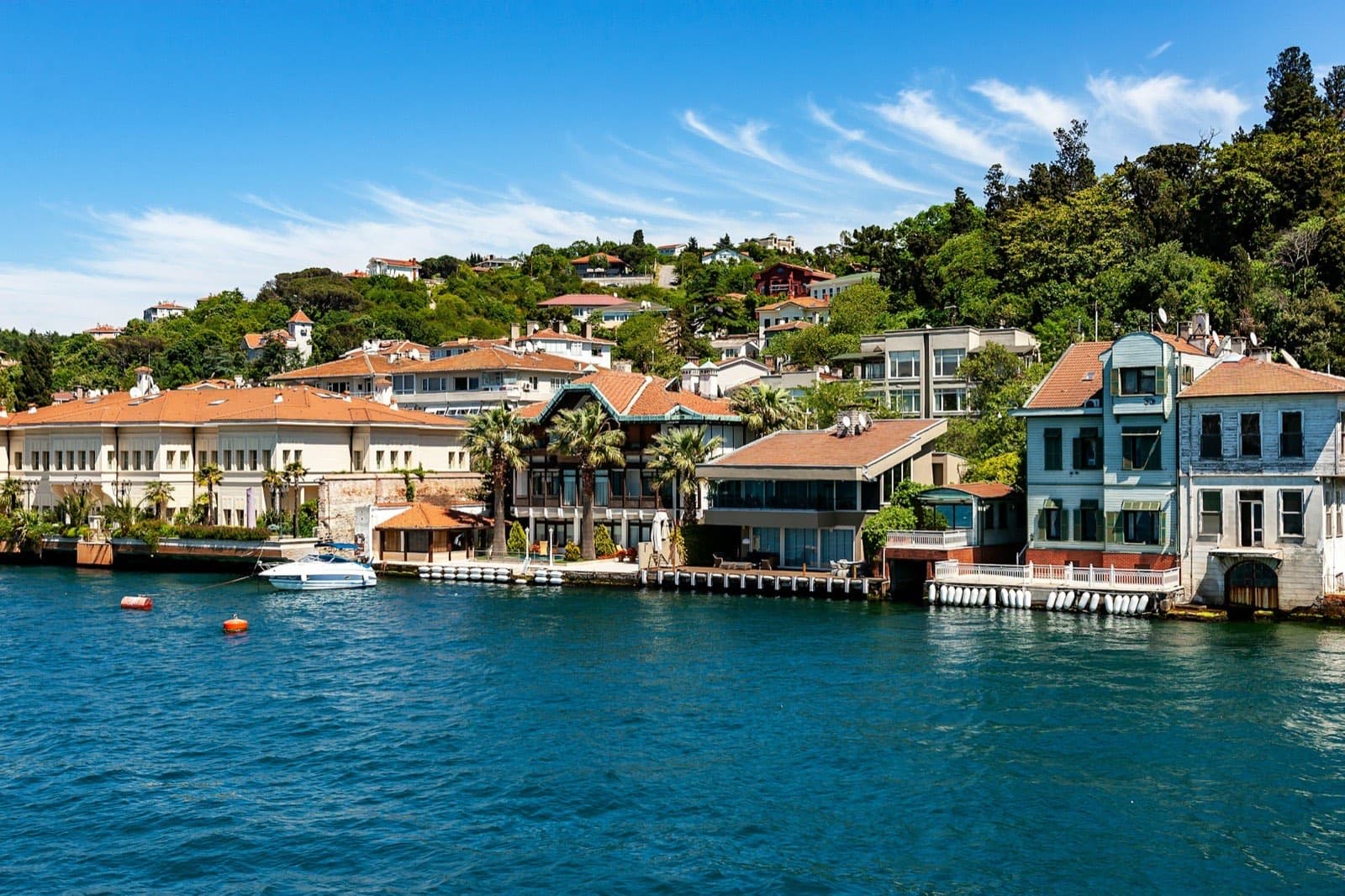
Kadıköy is the side of Istanbul that was built for itself rather than for visitors — and that is exactly why people go.
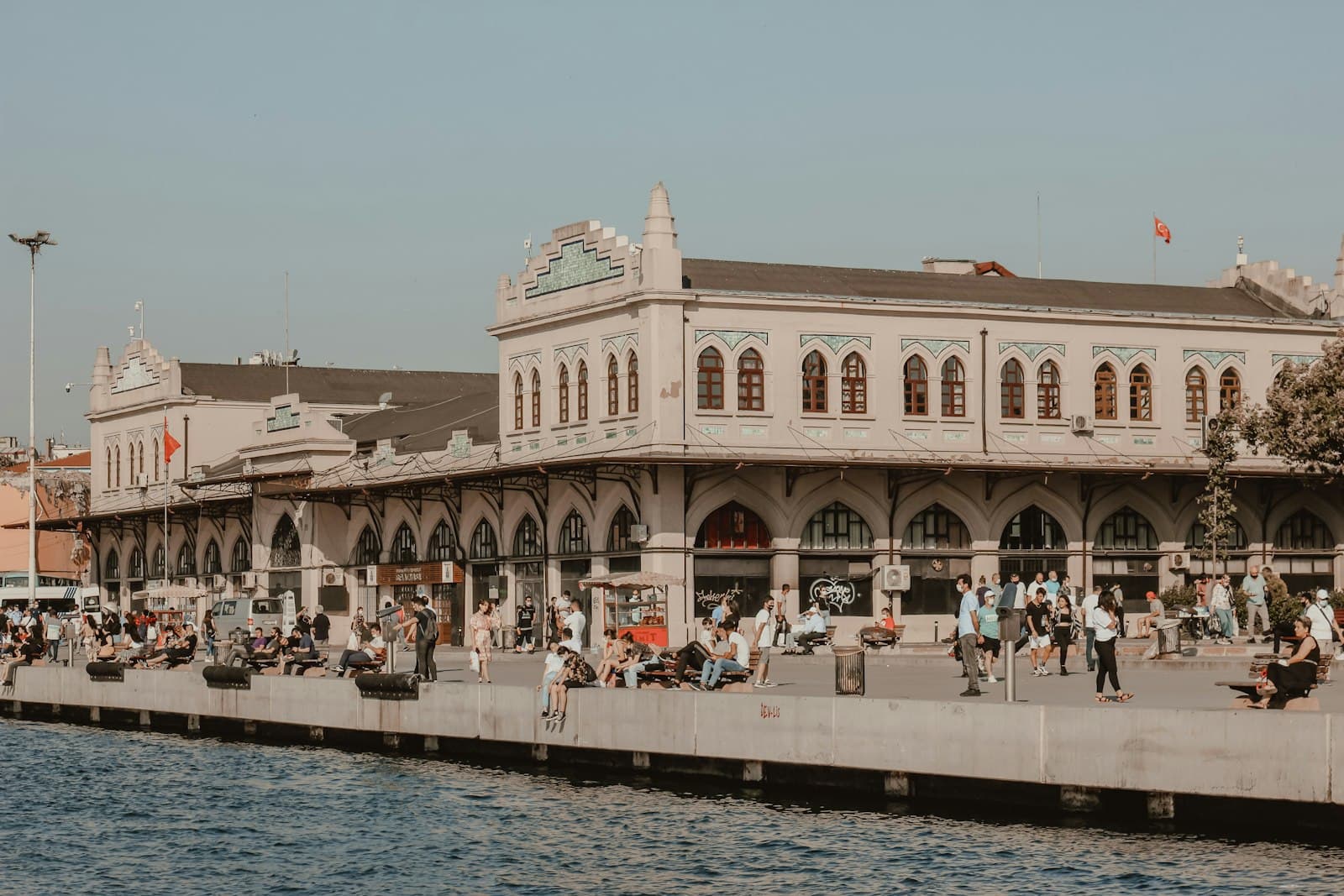
The market behind the pier can be walked end to end in fifteen minutes: fish stalls, cheesemongers, nut sellers, and among them shops a hundred years old. What separates it from the Grand Bazaar is that the shopping here is real — prices are not set for visitors, because most of the customers live in the neighbourhood.
From the market you come up onto Bahariye Avenue: pedestrianised, with the old tram running along the middle of it, and about a third as crowded as İstiklal. Beyond that is Moda — quiet streets, a wide stretch of grass by the sea, and the easiest walking line in the city.
Walking from the Moda shore towards Kalamış takes half an hour, and the sea stays with you the whole way. The tea gardens are along this stretch; sitting for an hour may be the best part of the day.
Bağdat Avenue: the calm side of shopping
Bağdat Avenue is a long street running from south of Kadıköy down to Bostancı: you would not walk all of it, but walking a stretch surprises anyone used to İstiklal — the same brands, a third of the crowd, a wide pavement and trees on both sides.
For anyone looking for malls there are several large ones on the Asian side; what to buy and where is set out in the shopping guide.
The avenue ends at Bostancı, and Bostancı is also a ferry pier: one of the landings that boats to the Princes' Islands leave from. So a day on the Asian side can be the start of a line that ends the following day on the islands.
Who this side suits, and who it does not
For a returning visitor the Asian side is almost always the right call: someone who has seen the historic peninsula is no longer chasing a list — they want to see the city, and the city lives here.
It also suits anyone who wants a slow day. No queues, no tickets, no closing time; the programme is walking, sitting and looking. For families with small children this day passes far more easily than a day on the historic peninsula.
Where it does not fit is just as clear: this is not a museum day. There is no building on the scale of Hagia Sophia, no palace on the scale of Topkapı. For a first-time visitor with four days, putting this side into the programme means taking something essential out — which is why it is usually not recommended on a first trip.
As a measure: half a day covers Üsküdar and half a day covers Kadıköy. Putting the two into one day is comfortable; adding Çamlıca on top makes the day tight but workable.
Common questions about this guide
Let us build the programme in this guide for you
Send your dates and party size; we will come back the same day with the route and a fixed price.
Message on WhatsApp