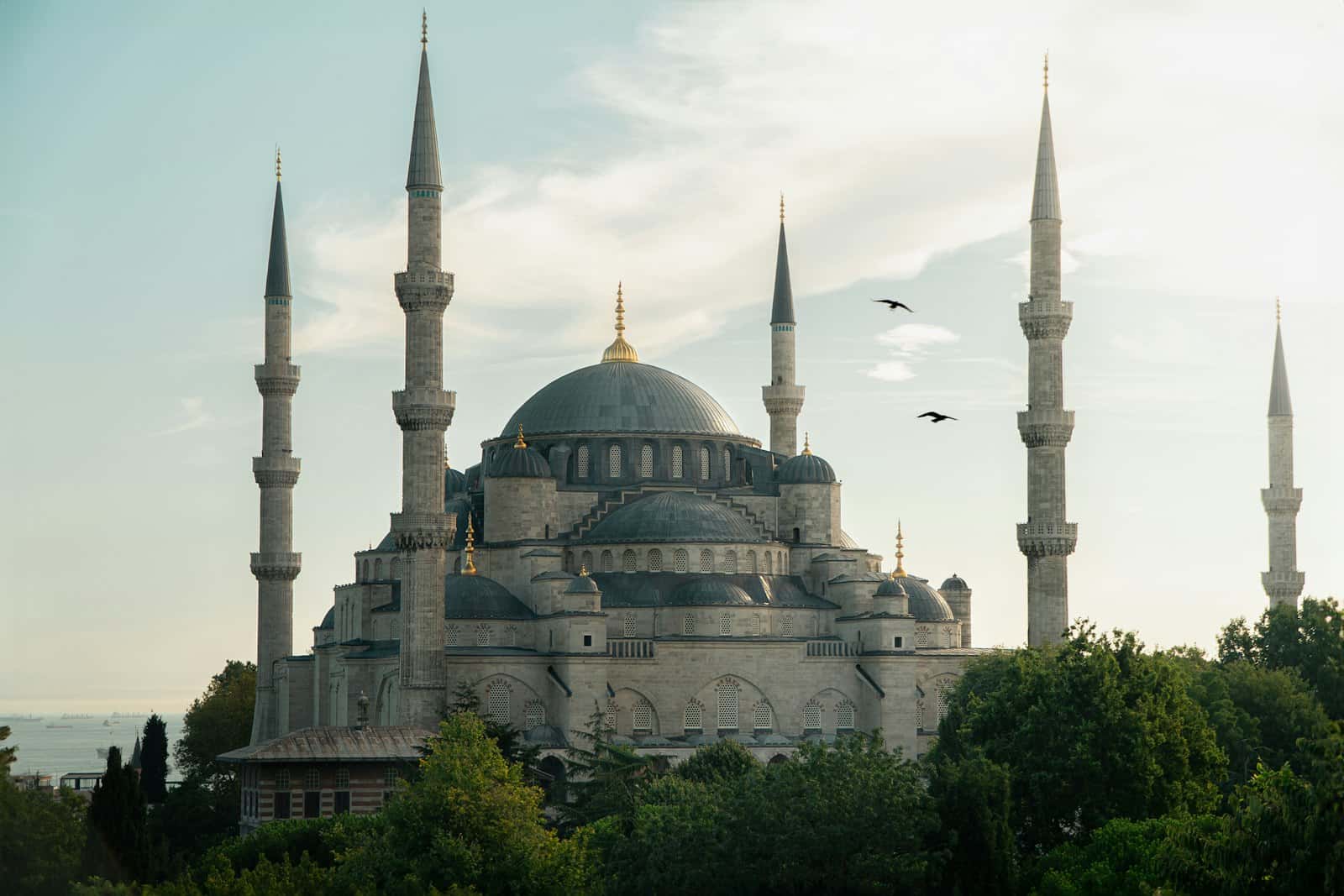
- For history
- Sultanahmet
- For centre and metro
- Taksim, Sisli
- For the view
- Ortakoy, Besiktas, Uskudar
Sultanahmet: inside the history
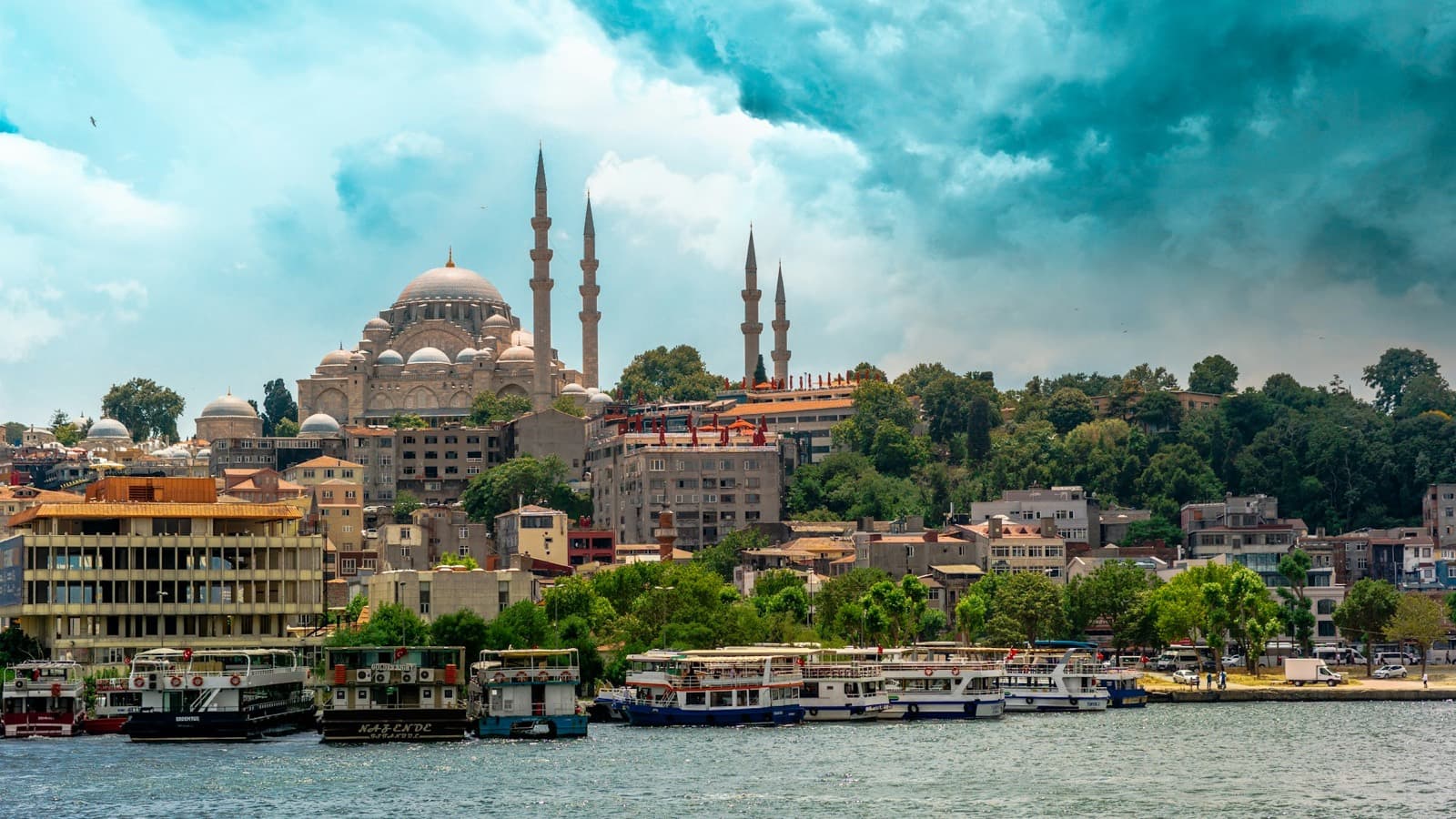
The Blue Mosque, Hagia Sophia, Topkapi Palace and the Basilica Cistern are all within walking distance. Staying on the historic peninsula lets you reach them early, before the crowds gather. The area quietens in the evening: it suits families who rise early to sightsee rather than anyone after nightlife.
Taksim and Sisli: central and on the metro
Taksim is the city's transport heart, close to Istiklal Street and the metro lines. Sisli is a frequent choice for Gulf visitors thanks to its malls and hospitals. Both offer far more restaurants and late-opening businesses than the historic peninsula.
The Bosphorus shore: Ortakoy, Besiktas, Uskudar
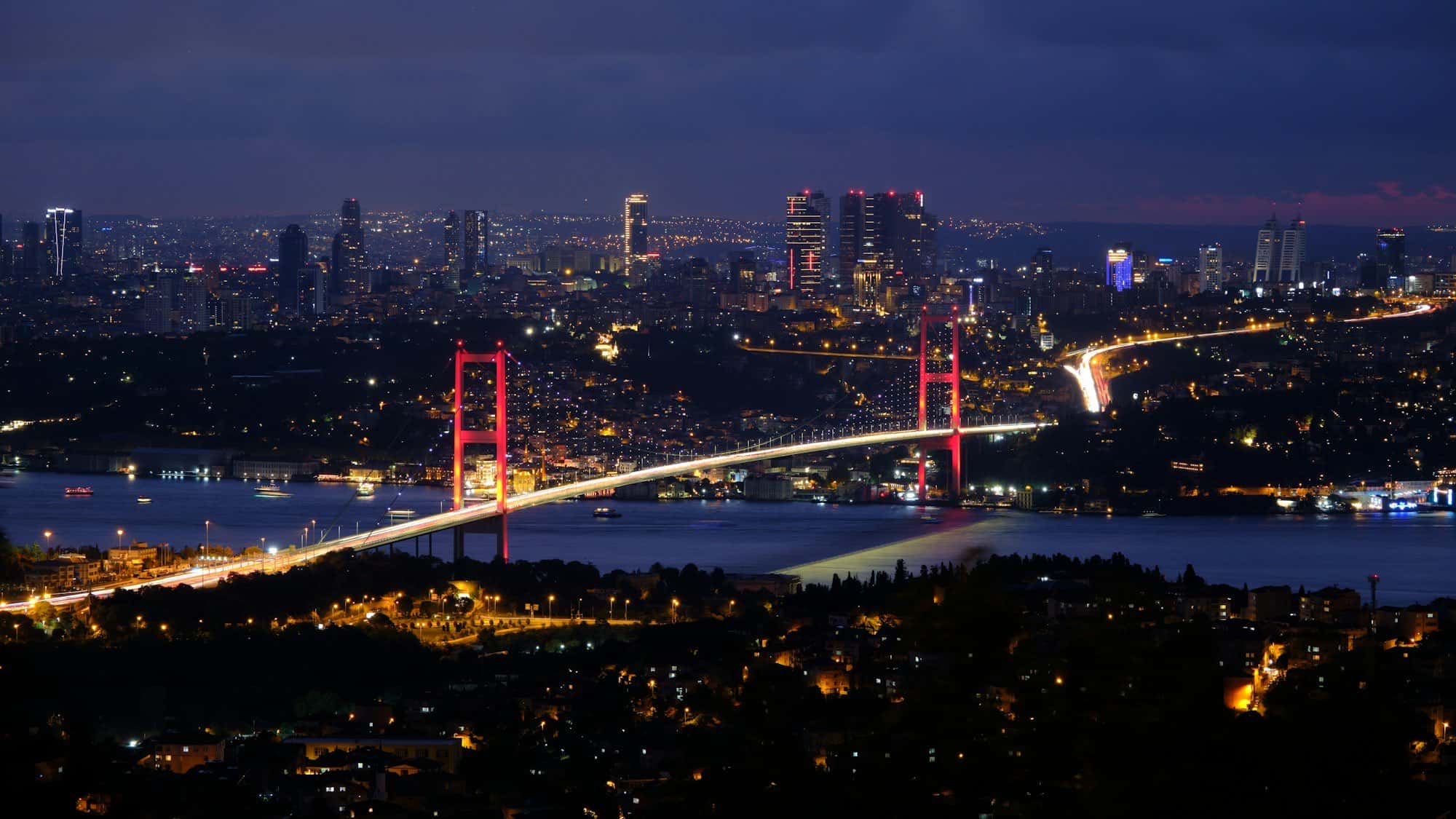
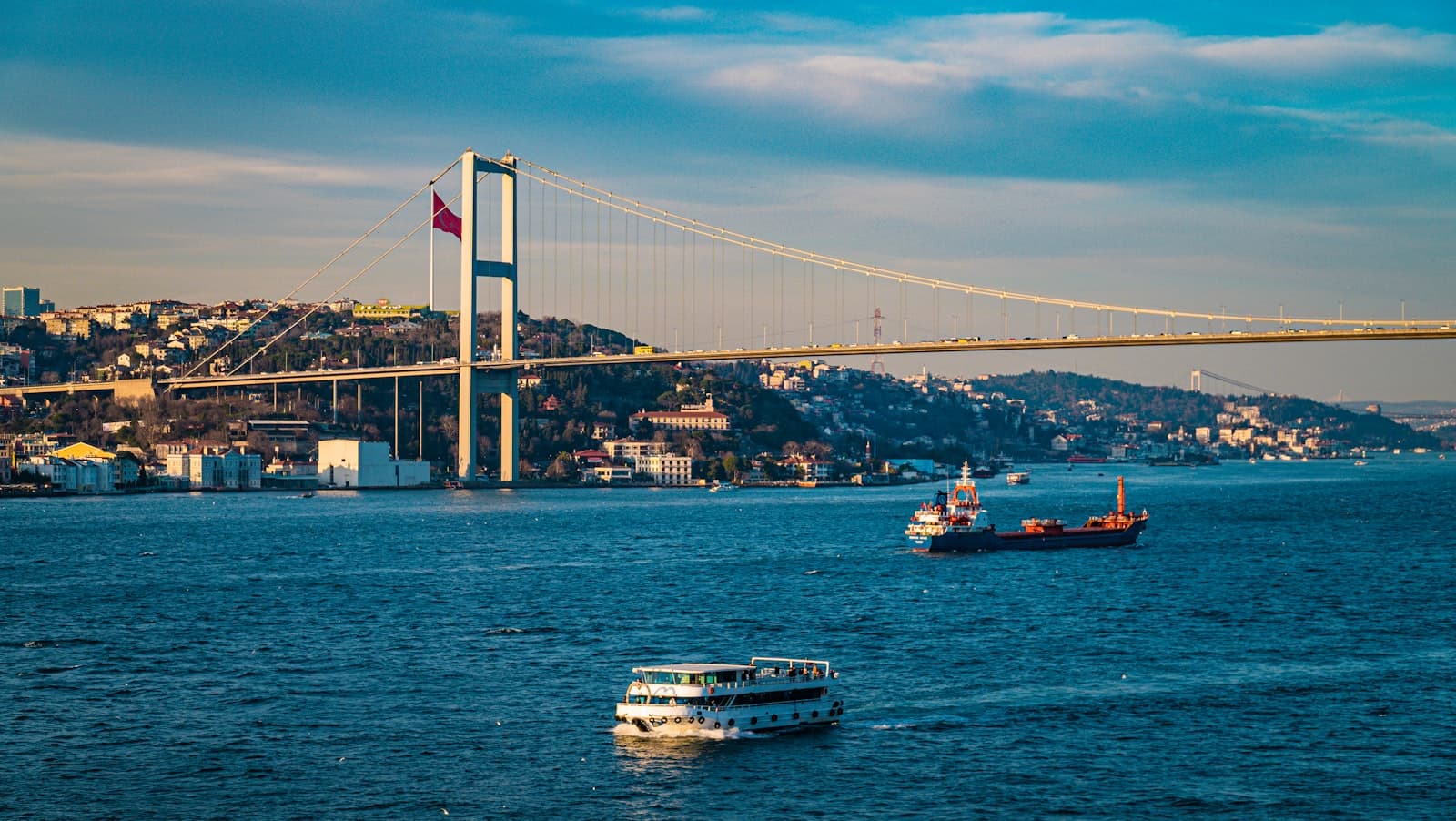
A Bosphorus view is the single biggest price lever in Istanbul. Ortakoy and Besiktas sit on the European shore; Uskudar faces them and looks across at the Maiden's Tower. Note that the difference between a view room and an ordinary one is not only the window: these districts are central but not walking distance from the historic sights.
Staying on the Asian side: Kadıköy and around
Half of Istanbul is on the Asian side, and most visitors never stay there. That gap widens the choice of districts.
Kadıköy has a different character from the tourist quarters across the water: this is where the city lives its own life. The Tuesday market, the fish market, bookshops, coffee houses. For the same star rating, prices are noticeably kinder than in Sultanahmet or Beşiktaş.
Getting across is not as hard as it sounds. The Marmaray runs through the tunnel from Söğütlüçeşme to Sirkeci, and the historic peninsula is about a quarter of an hour away. The Kadıköy–Eminönü and Kadıköy–Karaköy ferries are both transport and a Bosphorus view twice a day.
There is one more advantage: Sabiha Gökçen Airport is on the Asian side. If you fly from there, the transfer time halves.
The price of all this: every trip to the historic peninsula is a crossing. On a three-day first visit that loss outweighs the gain. For anyone staying longer than a week, coming a second time, or wanting to keep away from the crowds, Kadıköy usually makes for a better holiday.
Fatih, Aksaray and Laleli: where Arabic is spoken everywhere
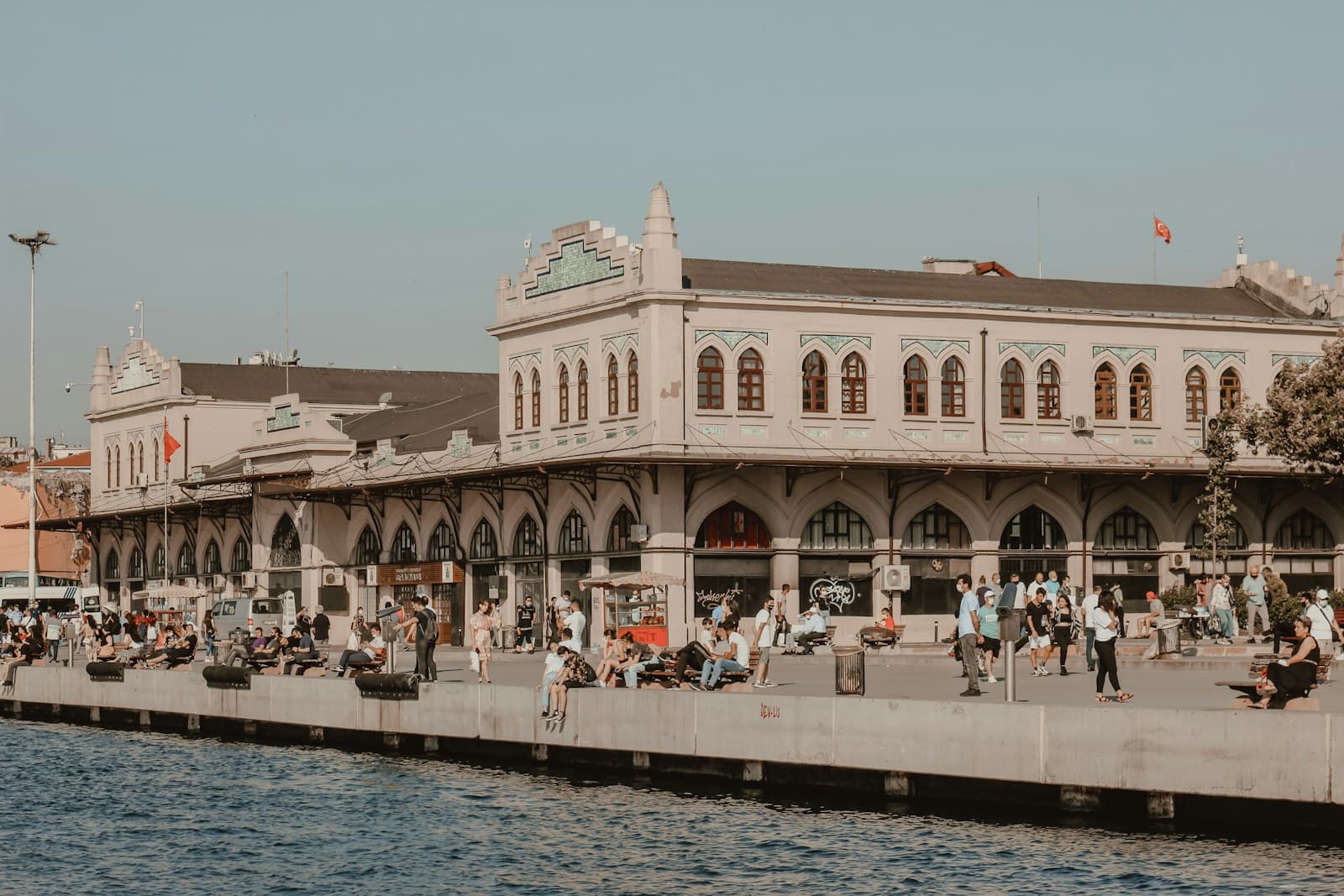
A large share of our guests from the Gulf stay in this triangle, and there are concrete reasons for it.
The first is language. In Aksaray and Laleli most signs are in Arabic, and Arabic is spoken in the restaurants and shops. For a guest with no Turkish or English, that changes daily life entirely.
The second is food. You do not have to search for a halal option here; Syrian, Lebanese and Iraqi kitchens line the side streets. Places stay open for suhoor and iftar.
The third is location and price. The T1 tram runs from Aksaray to Sultanahmet and Eminönü; Yenikapı is an interchange for both the metro and the Marmaray. The same star rating costs noticeably less than in Sultanahmet.
Now the frank side: the area is crowded and noisy, and most of the buildings are old. The streets are busy late into the evening. If you want a quiet hotel, a spacious lobby or a well-kept street, this is not that district. For a family with small children the evening noise can affect sleep — asking whether the hotel is on the main road or a side street matters more here than anywhere else.
Budget: which districts come cheaper, and what you give up
In Istanbul the same star rating is priced very differently from district to district. The order runs roughly like this.
The kindest side: Fatih, Aksaray, Laleli and the side streets of Şişli. Then the Asian side — Kadıköy and around. In the middle sit Taksim and Beyoğlu, where prices swing widely even along one street. At the expensive end: the Bosphorus shore (Ortaköy, Beşiktaş, Bebek) and Nişantaşı. Sultanahmet splits in two — hotels facing the square are dear, a few streets back is far kinder.
Season is the second factor. The summer months and the two Eid periods carry the highest prices. From November to March the same hotel costs considerably less.
A warning: a price far below expectation in a good district usually means something. A windowless or basement room, main-road noise, a building without a lift, or a hotel that is not in the district its name claims. None of this appears in the listing text. Asking in writing before booking which floor the room is on and what the window faces brings most of these differences out in advance.
A note from our side: you can book yourself; if you would rather we did it, we ask these questions on your behalf and send you the answers in writing.
What “sea view” and “right on the Bosphorus” mean in a listing
These are the two most misread phrases in hotel listings, and both are heavily searched.
“Sea view” is a claim, not a description. A strip of water glimpsed between buildings from one corner of the balcony can be sold under that name. Honest hotels call it a “partial sea view”; if you see that wording, take it seriously.
The second confusion is about which water. Hotels around Sultanahmet and Kumkapı look onto the Sea of Marmara, not the Bosphorus. They are different views: Marmara is open sea and shipping traffic, while the Bosphorus gives you two shores, bridges and ferries. A guest who searches for a sea view expecting the Bosphorus is disappointed here.
Hotels genuinely on the Bosphorus are few and expensive. Most that say “Bosphorus view” sit up the slope, looking over rooftops. That is not a bad thing — it can be a wider view — but it should not be booked in the expectation of a waterfront walk.
One more detail: in many Sultanahmet hotels the best view is from the roof terrace, not the rooms. The listing photographs are usually taken from the terrace.
The remedy is a single question: “Could you send a photograph taken from the window of the room you will book for us?” A hotel that answers is telling the truth; one that does not has also told you something.
A hotel's name does not tell you its district: check the address on a map
One thing can undo every district recommendation in this guide: the hotel not being in the district its name claims.
In Istanbul, using a district name in a hotel's name is unrestricted. A hotel with “Taksim” in its name can be a twenty-minute walk uphill from the square. One called “Sultanahmet” can turn out to be in Kumkapı. It is the complaint that recurs most often in reviews.
Checking takes two minutes: ask for the full address, search it on a map, and measure the walking time to the nearest metro or tram stop. “Close to the metro” is not a measurement; “six minutes' walk to Şişhane station” is.
The second check is the gradient. Most of Istanbul's central districts are steep. A route that looks like 700 metres on a map is another thing entirely if it is a sharp climb with a suitcase or a pushchair. Street view shows this in advance.
Why location matters in the end: staying in the right district is worth about an hour and a half of travel a day. Over a five-day holiday that is a full day. The rest of choosing a hotel — room type, breakfast, bathroom — belongs to another guide; here we have dealt only with the district.
Which district suits you is decided by three things together: how many you are, how many nights you stay, and which airport you land at. Write us those three and we will narrow it to two or three districts — the hotel is your choice, we only narrow the area.
Common questions about this guide
Let us build the programme in this guide for you
Send your dates and party size; we will come back the same day with the route and a fixed price.
Message on WhatsApp