- Length
- 7 days
- Pace
- One main district a day
- Out of town
- Two day trips
The first two days: the historic peninsula
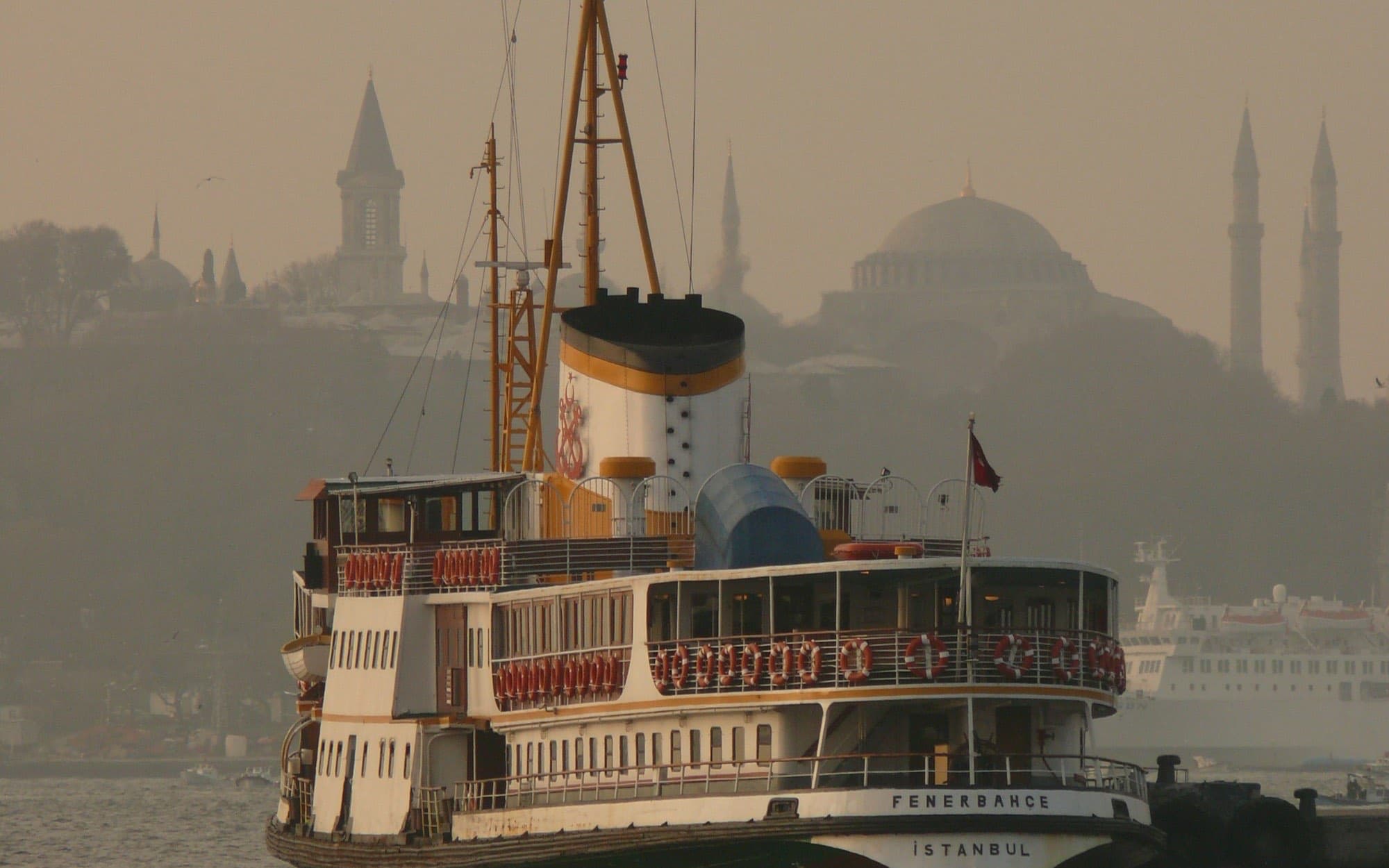
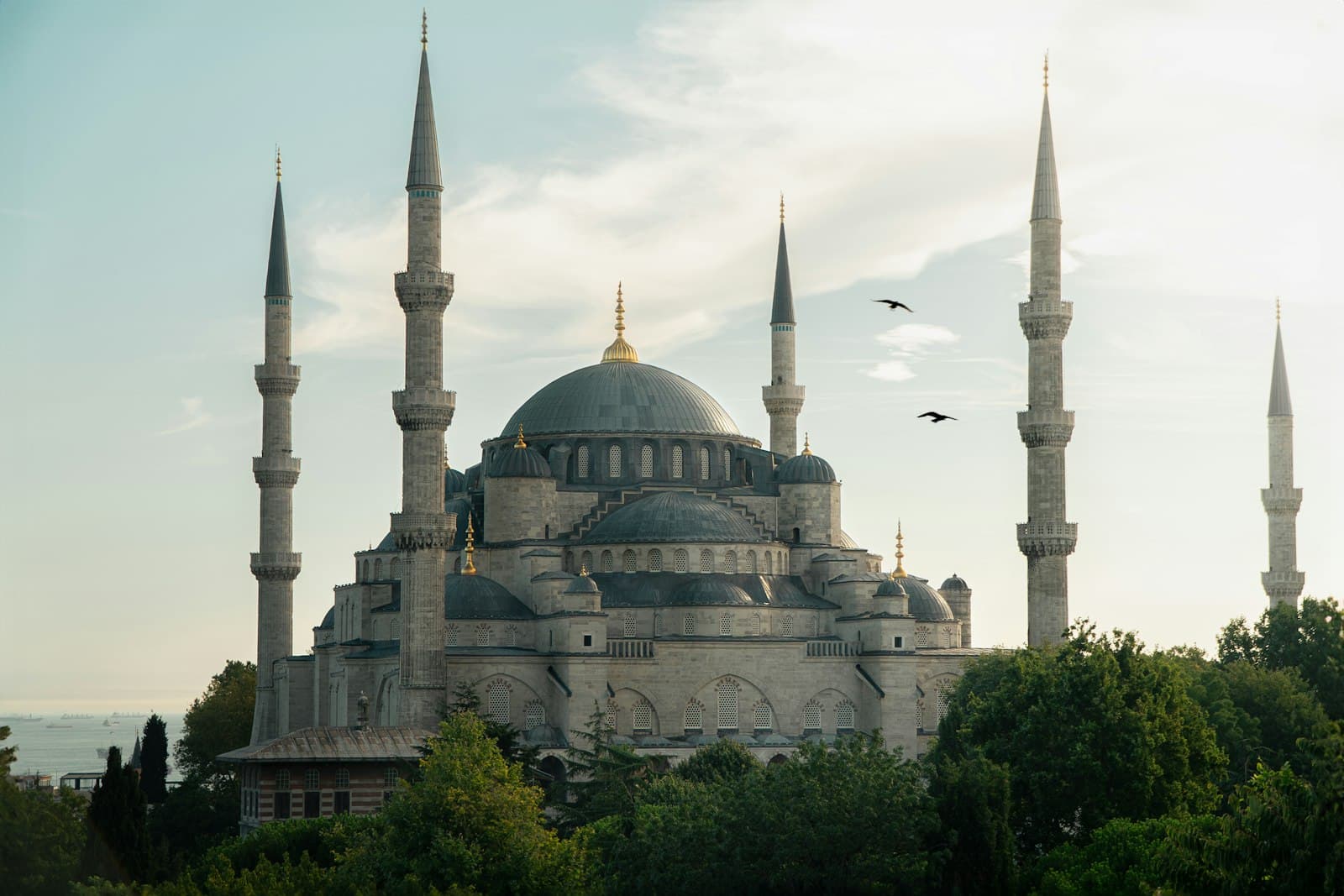
The Blue Mosque, Hagia Sophia and Topkapi Palace are within walking distance of one another, but squeezing all three into one day is tiring with children. Mosques and the Basilica Cistern on day one, Topkapi and the Grand Bazaar on day two is a good split. Starting early noticeably shortens the queues.
Day three: the Bosphorus and Beyoglu
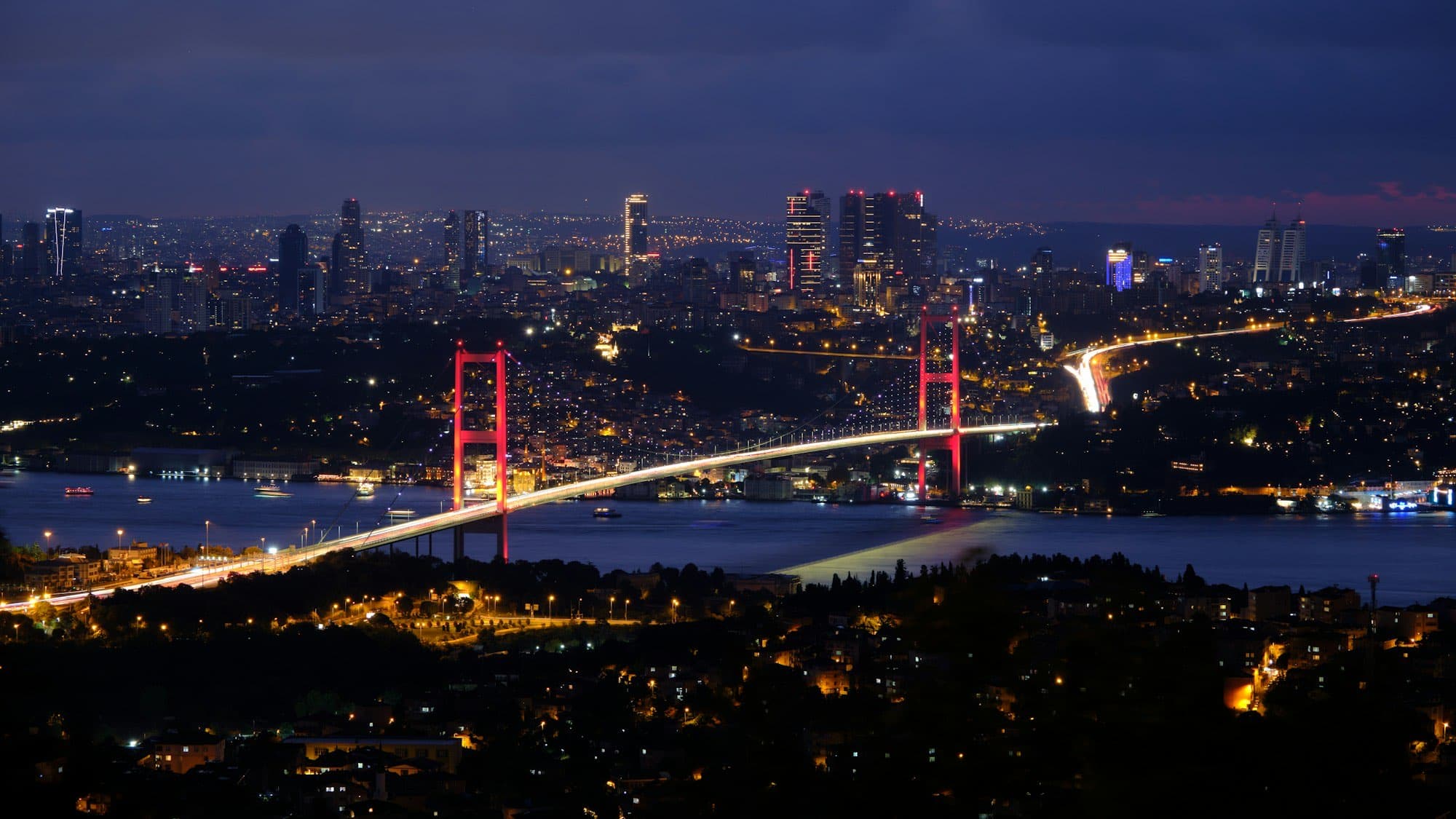
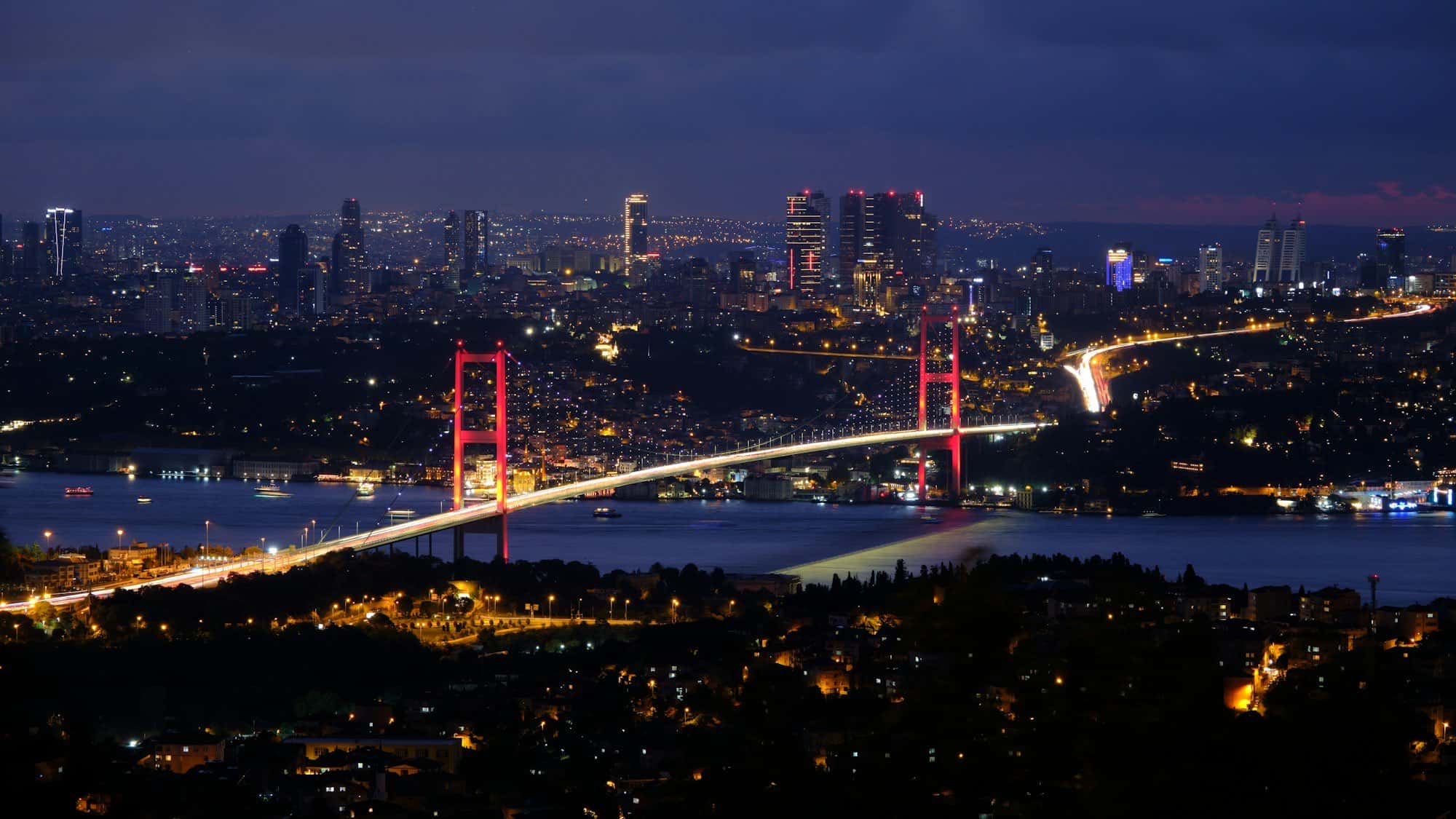
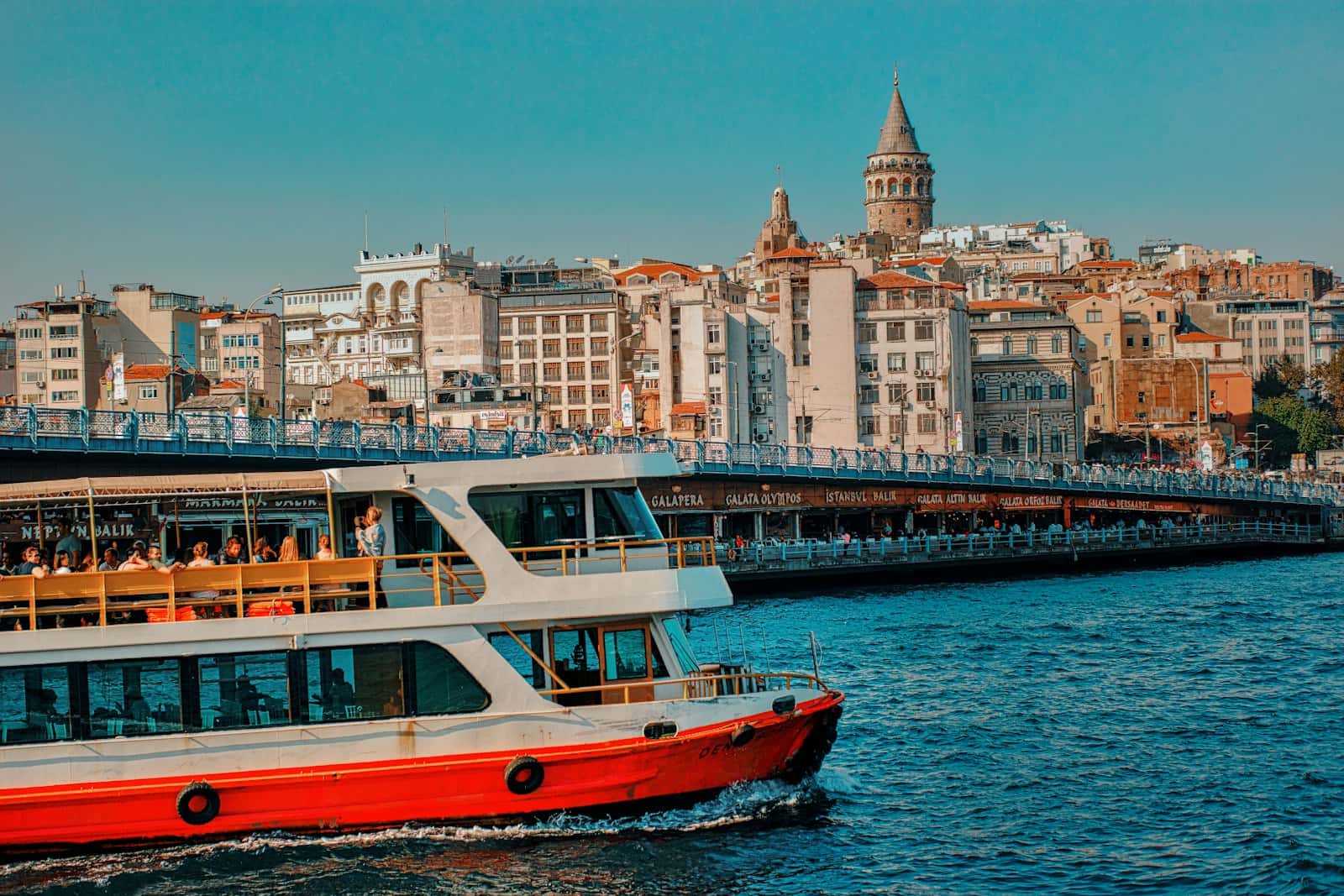
A Bosphorus cruise is the easiest way to see the city from the water and is usually the children's favourite part of the day. After landing, Galata Tower and the Karakoy side are walkable. This day involves a lot of walking, so plan something calmer for the next one.
Days four and five: out of town
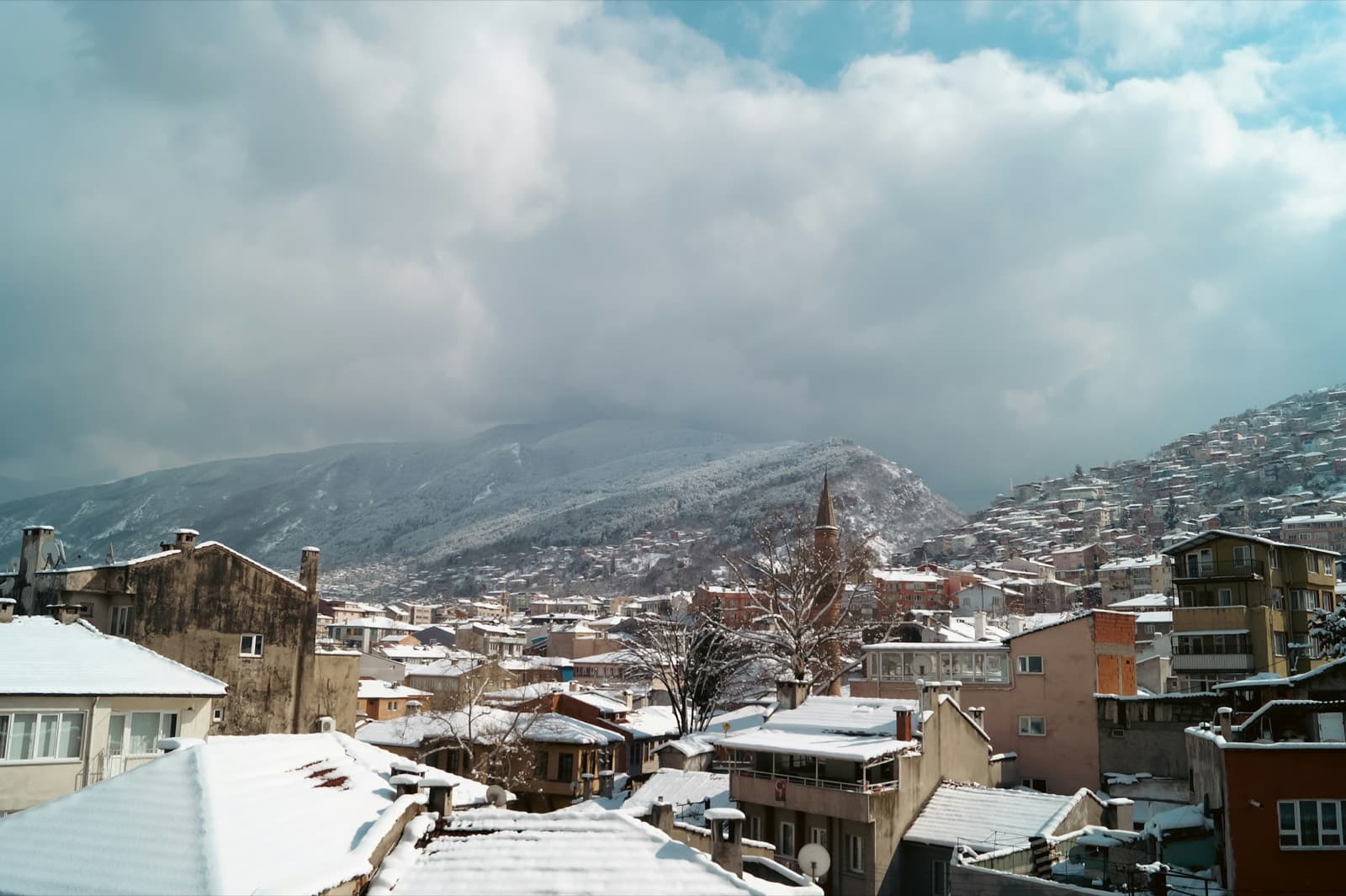
Sapanca and Bursa are two different directions for a day trip from Istanbul. Sapanca means lake and forest; Bursa means history and a cable car. Choosing between them, consider the children's ages: Sapanca involves less walking, Bursa more stops.
The last two days: shopping and free time
Leaving a free day at the end creates room to make up for something you missed, or simply to rest. Nisantasi and Bagdat Street are two good shopping options on two different sides. Keeping the day before your return flight light leaves margin for packing and the trip to the airport.
The days that force you to reorder the plan
The order above is a good frame, but the calendar itself moves some days out of place.
First, closing days. Some museums and palaces have a weekly closing day; Dolmabahçe Palace is closed to visitors on Mondays, with the ticket office open until five. This information changes from time to time, so check the institution's own page rather than a blog. Before building the plan, list the three or four places you most want to see and write their closing days beside them — the skeleton of the week decides itself.
Second, Friday. Mosques close to visitors during prayer times, and Friday midday prayer is the longest. Putting Hagia Sophia and the Blue Mosque before noon or after mid-afternoon on a Friday removes the wait at the door.
Third, the weather. Rain in Istanbul rarely lasts a whole day, but spending that day outdoors makes no sense. The Bosphorus cruise and the out-of-town days should be planned so they can swap with indoor days — the Grand Bazaar, museums, a shopping centre. Building that flexibility in from the start is easier than unpicking the plan later.
Fourth, Ramadan and the Eids. The city is busier then, livelier in the evenings, and some restaurants may be closed during the day. Suhoor and iftar times rebuild the day completely.
Pace with children: how many stops in a day
The commonest reason a week-long plan collapses is putting too much into a day. The rule is simple: two main stops a day for a family with small children.
A main stop means roughly two to three hours — arrival, queue, visit and a break included. A third stop fits on paper and not in reality: the child tires, gets fretful in the heat, and the evening goes with it.
Going back to the hotel in the middle of the day looks like lost time. It is not. A two-hour break — a nap, or simply cooling off — saves the evening. That is why a central hotel matters more than a view; a family that spends forty minutes travelling for a midday break cannot take one.
Knowing in advance where you will stop also helps. On the historic peninsula, Gülhane Park and the tea gardens; along the Bosphorus, the waterfront; in Beyoğlu, the small squares off the side streets. A break taken standing up is not a break.
Mealtimes set the pace too. Waiting in a museum queue with a hungry child is the worst twenty minutes of the plan. Eat before the main stops, not after.
Finally: leave one day completely empty. Fill six of the seven and give one to the pool, a park, or nothing at all. That empty day doubles as the spare for whatever you missed earlier in the week.
Hills, cobbles and pushchairs
Distances that look short on a map are not always short in Istanbul, because the city is built on hills.
Most of Sultanahmet's streets are cobbled. A pushchair moves heavily over that surface and catches if the wheels are small. Around Galata and Beyoğlu the main issue is the gradient: the climb from Karaköy up to the Galata Tower is short but steep. The Tünel funicular takes part of that climb off you, and most visitors do not know it exists.
Public transport is mixed. Most metro stations have lifts; tram stops are usually reached by ramp; but stairs are unavoidable at the older ferry piers and some footbridges.
The practical upshot: for a child under two, a carrier is usually more comfortable in Istanbul than a pushchair. If you prefer the pushchair, a model with large wheels that folds one-handed makes a real difference.
For adults, one item: comfortable, closed, non-slip shoes. A week's programme means six to eight kilometres of walking a day, much of it on uneven ground. Arriving in Istanbul in newly bought shoes means spending day two with a blistered heel.
In the hot months, water and a hat head the list; there is less shade on the historic peninsula than people expect.
If it is five days or ten instead of a week
Seven days is a comfortable length for Istanbul, but not everyone's calendar agrees. There is a right order for cutting the plan down and for stretching it.
When coming down to five days, cut the out-of-town days, not the historic peninsula. Dropping Bursa or Sapanca and leaving two days for the city beats leaving every day half-finished. A five-day shape looks like this: two days on the historic peninsula, one for the Bosphorus and Beyoğlu, one for a single day trip or the islands, and one for shopping and free time.
At three days you need an entirely different plan; we have covered that in a separate guide.
When stretching to ten days, the mistake is adding more stops to the same list. The right move is to slow the pace and widen the distance: a second day trip, a full day on the Asian side, and two days with no plan at all. On ten-day programmes, the part guests are happiest with is usually the days we left unplanned.
If you are staying longer than ten days, moving to a second city works better than making Istanbul your only base — Antalya, Bodrum, Trabzon or Bursa. At that point the plan becomes a multi-city one, and flights and hotels have to be built together.
We draw this plan up according to how many you are, the children's ages and the dates you are coming. We write the programme and send it; if you do not like it we change it, at no cost.
Common questions about this guide
Let us build the programme in this guide for you
Send your dates and party size; we will come back the same day with the route and a fixed price.
Message on WhatsApp