- Historic peninsula
- Main sights within a 10-minute walk
- Free
- Every mosque
- Quietest hour
- Before nine in the morning
- Grand Bazaar
- Closed on Sundays
The historic peninsula: what fits into one morning
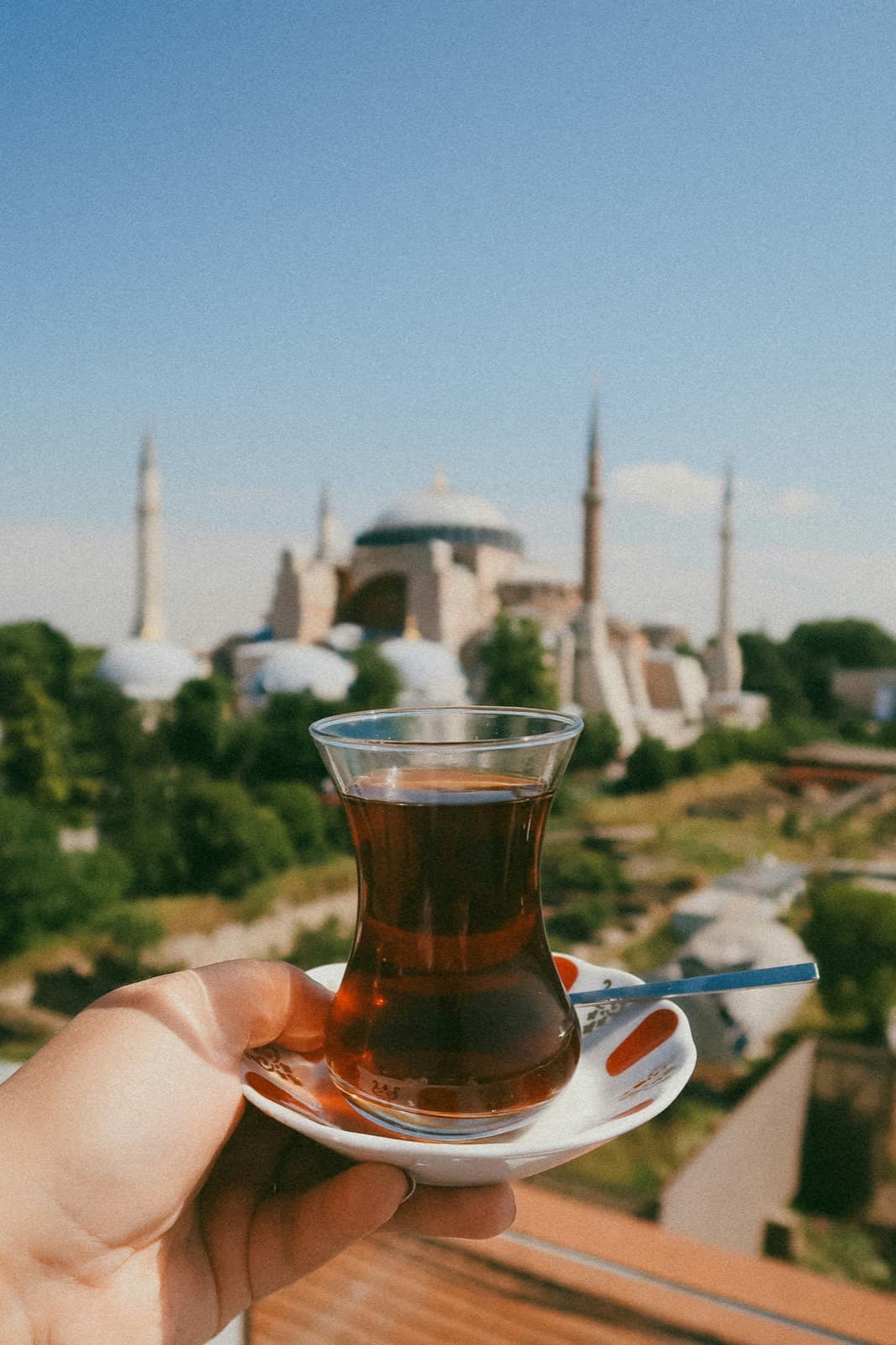
Most of Istanbul's most-searched places stand around a single square: Hagia Sophia, the Blue Mosque, the Basilica Cistern and Topkapı Palace are a ten-minute walk from one another, and the Obelisk and the German Fountain are inside the square itself. That density exists nowhere else in the city, and it is the only reason a programme starts here.
Hagia Sophia is a mosque today. The visiting arrangement has changed more than once in recent years; at present foreign visitors go through a ticketed entrance on the upper gallery, while entry to the prayer area is separate and free. It is worth checking the current arrangement before you go — we print no figure here, because it would be the fastest-ageing piece of information on the site.
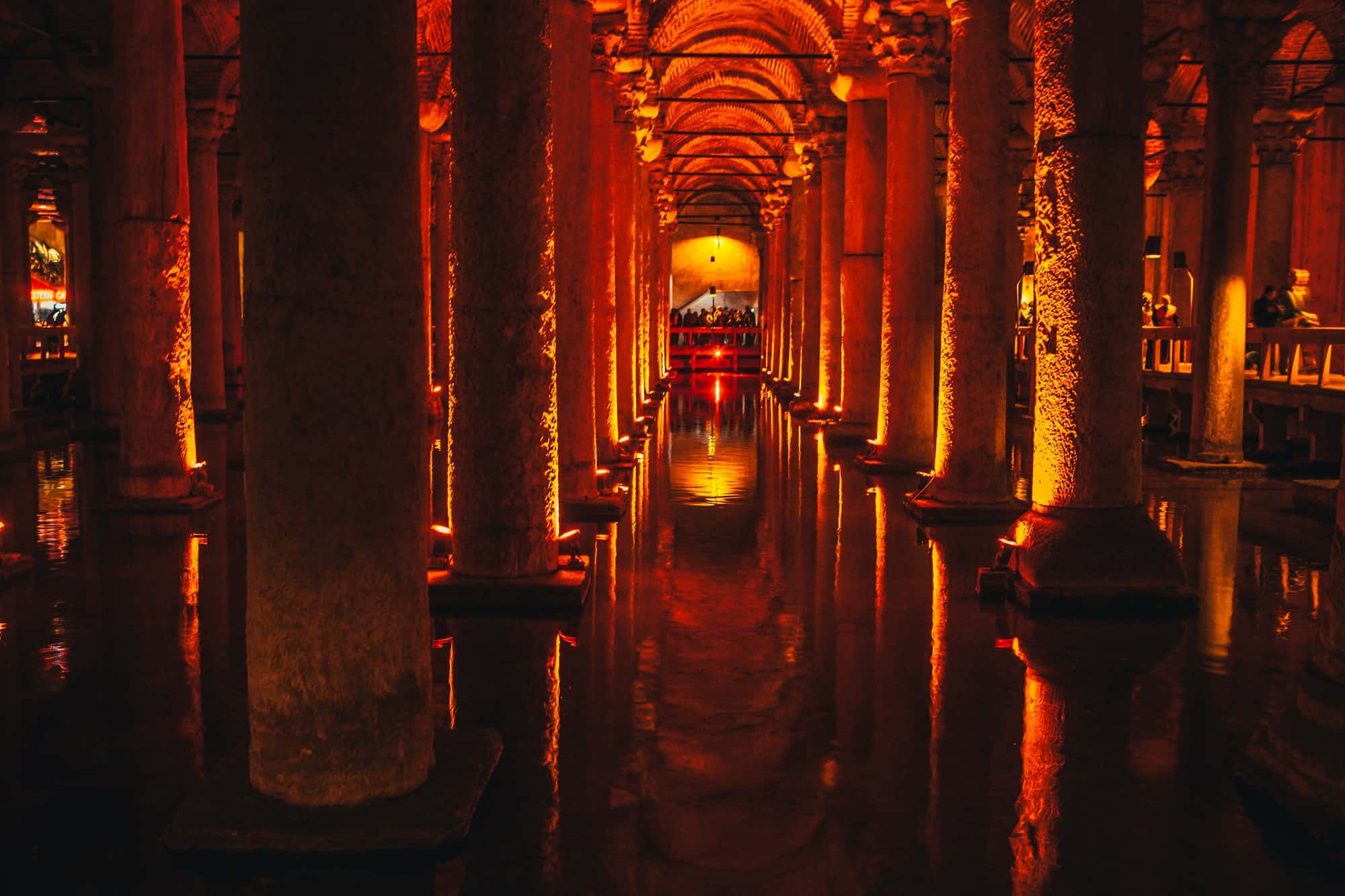
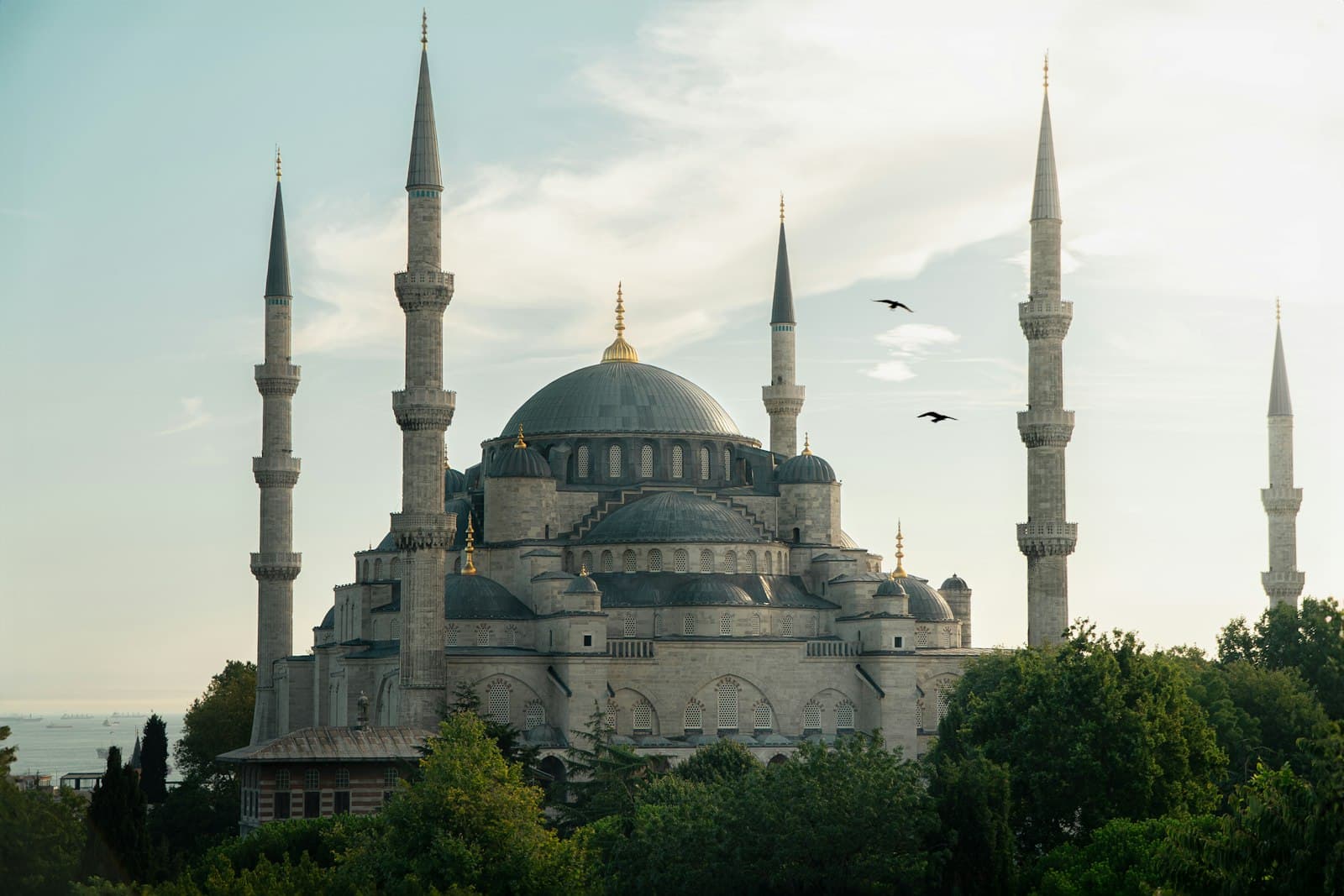
The Blue Mosque is free and closes to visitors at prayer times; a short wait at the door is normal. The Basilica Cistern is ticketed and has the longest queue; evening hours are quieter than the day. Topkapı Palace is half a day on its own — the Harem needs a separate ticket, and it is the section people most regret skipping.
Putting all four into one day is possible but tight. A comfortable morning is built like this: be at the square by nine, see Hagia Sophia and the Blue Mosque back to back, then go down into the Cistern towards noon. Leaving Topkapı for the next day works better than splitting the same day in two.
The mosques: which are open to visitors, and when they close
Every mosque visitors go to in Istanbul is free, and every one of them is in use for prayer — which means the visit is built around prayer times. Closing starts a few minutes before the hour and lasts until the congregation disperses; the stretch between the noon and afternoon prayers is usually the easiest.
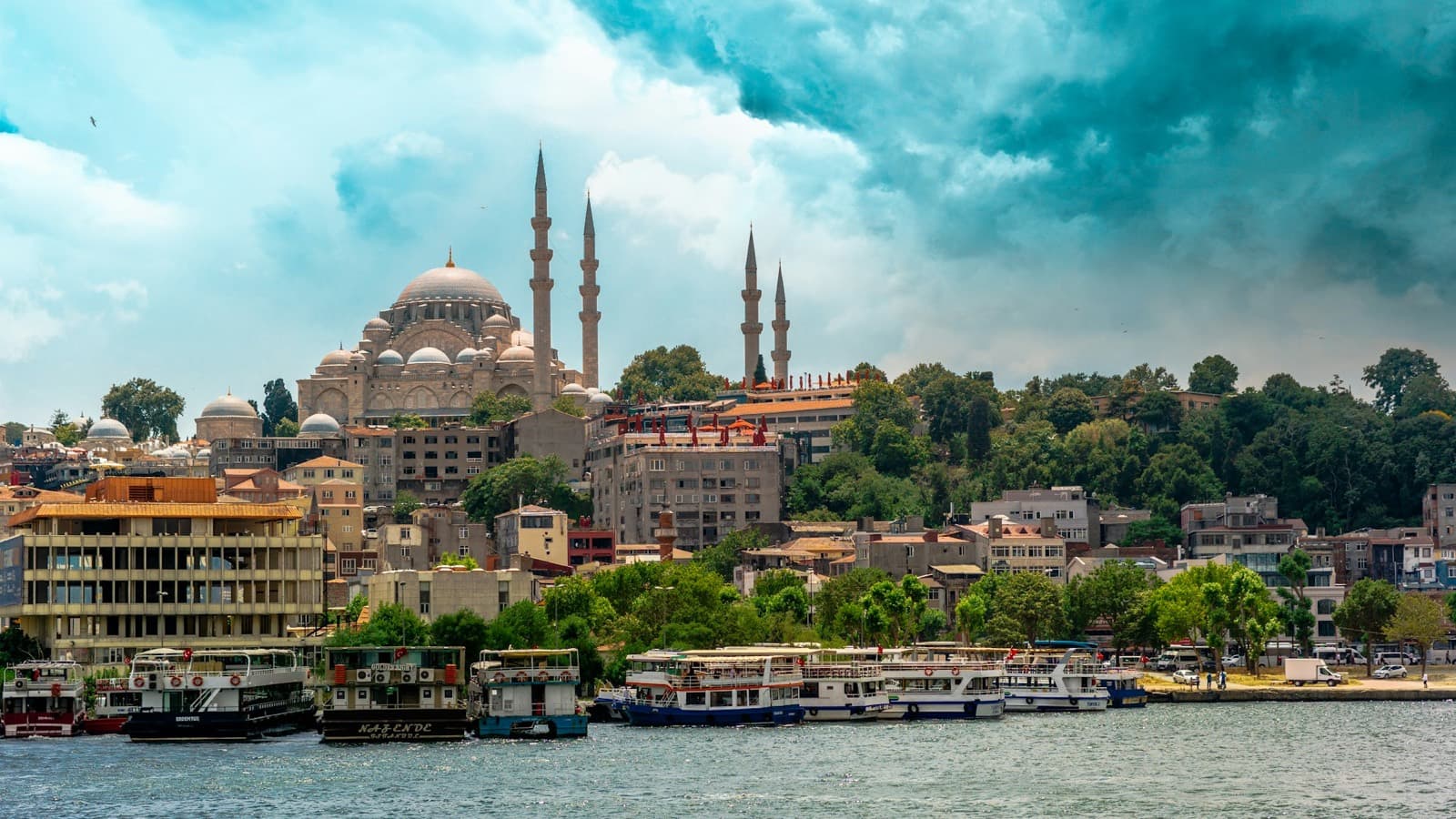
Süleymaniye Mosque is the best choice for anyone who wants to stay clear of the crowds at Sultanahmet: the Golden Horn is visible from its courtyard, and at the same hour it holds a fraction of the people. The New Mosque sits right beside the Spice Bazaar, so it is already on your way there.
Eyüp Sultan is among the most visited mosques in the city, and the neighbourhood around it has a completely different character. Walking out of the courtyard and taking the cable car up to the Pierre Loti hill is a common pairing; the cable car is ticketed, the mosque is not.
On the Asian side there is Çamlıca Mosque: the largest in Türkiye, and because it stands on a hill, the widest view over the city is there. Its car park is large, which tells you it is a place you drive to — reaching it by public transport is a chore.
The dress rule is simple: a headscarf and below the knee for women, long trousers for men. Coverings are lent at the mosque entrances; you do not have to bring your own.
The view: where to look from, and where you queue
The picture of the city comes out of two things: water and a hill.
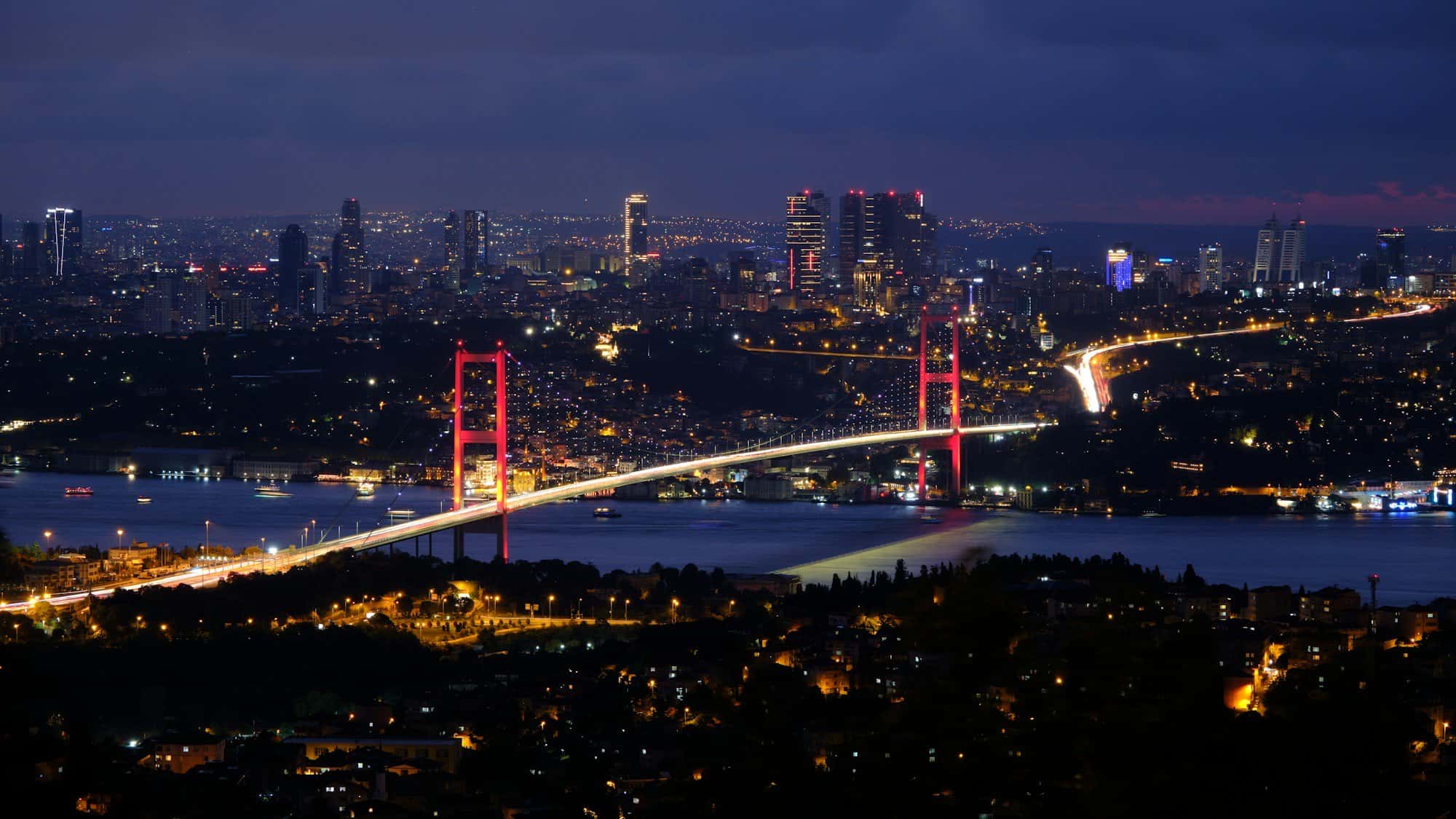
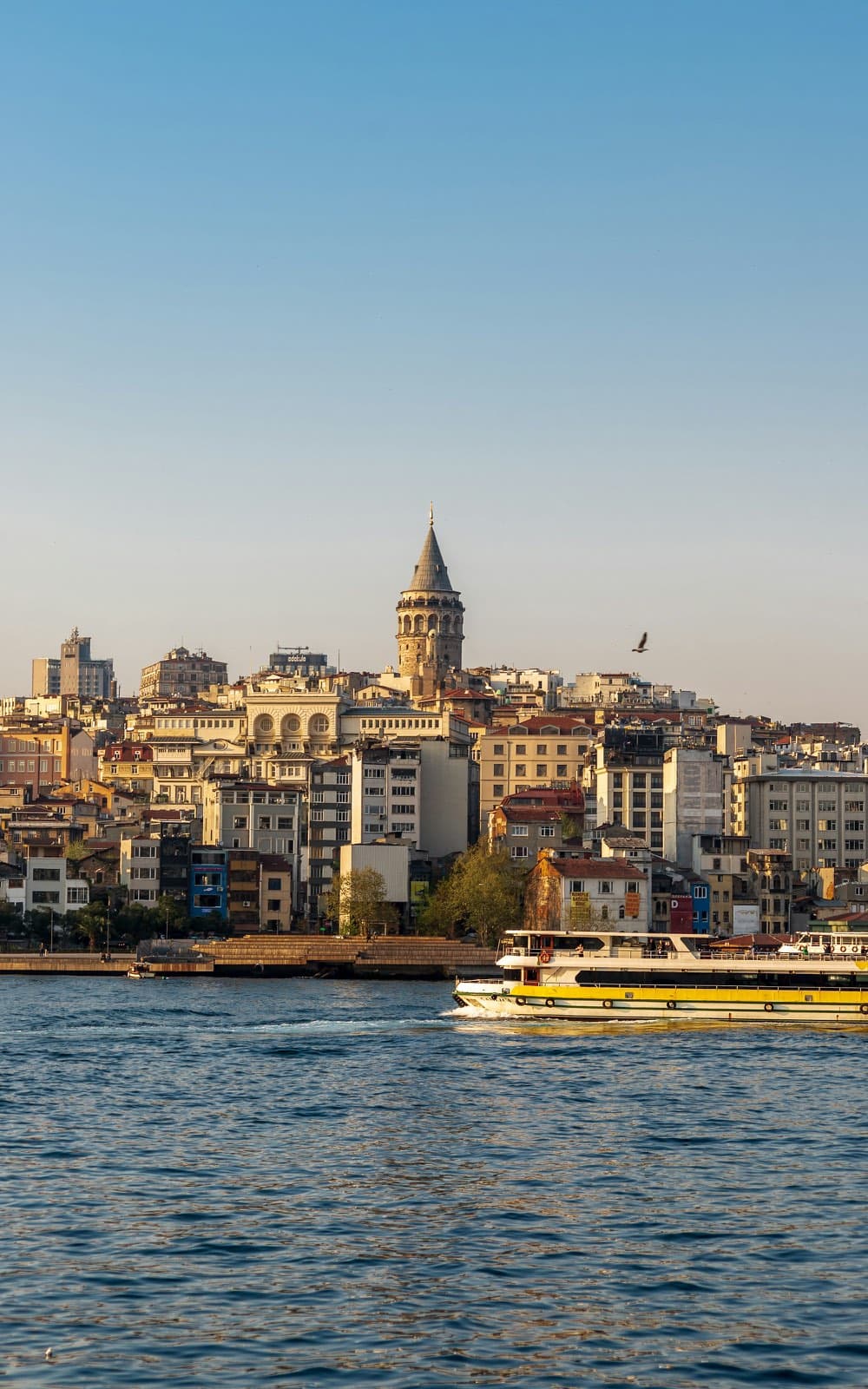
The Galata Tower is the best-known viewpoint and also the one with the longest queue: the tower is narrow and only a set number of people go up at a time. If you would rather not queue for a view, the Süleymaniye courtyard, the Pierre Loti hill and Çamlıca give you the same city from other angles, free or with a far shorter wait.
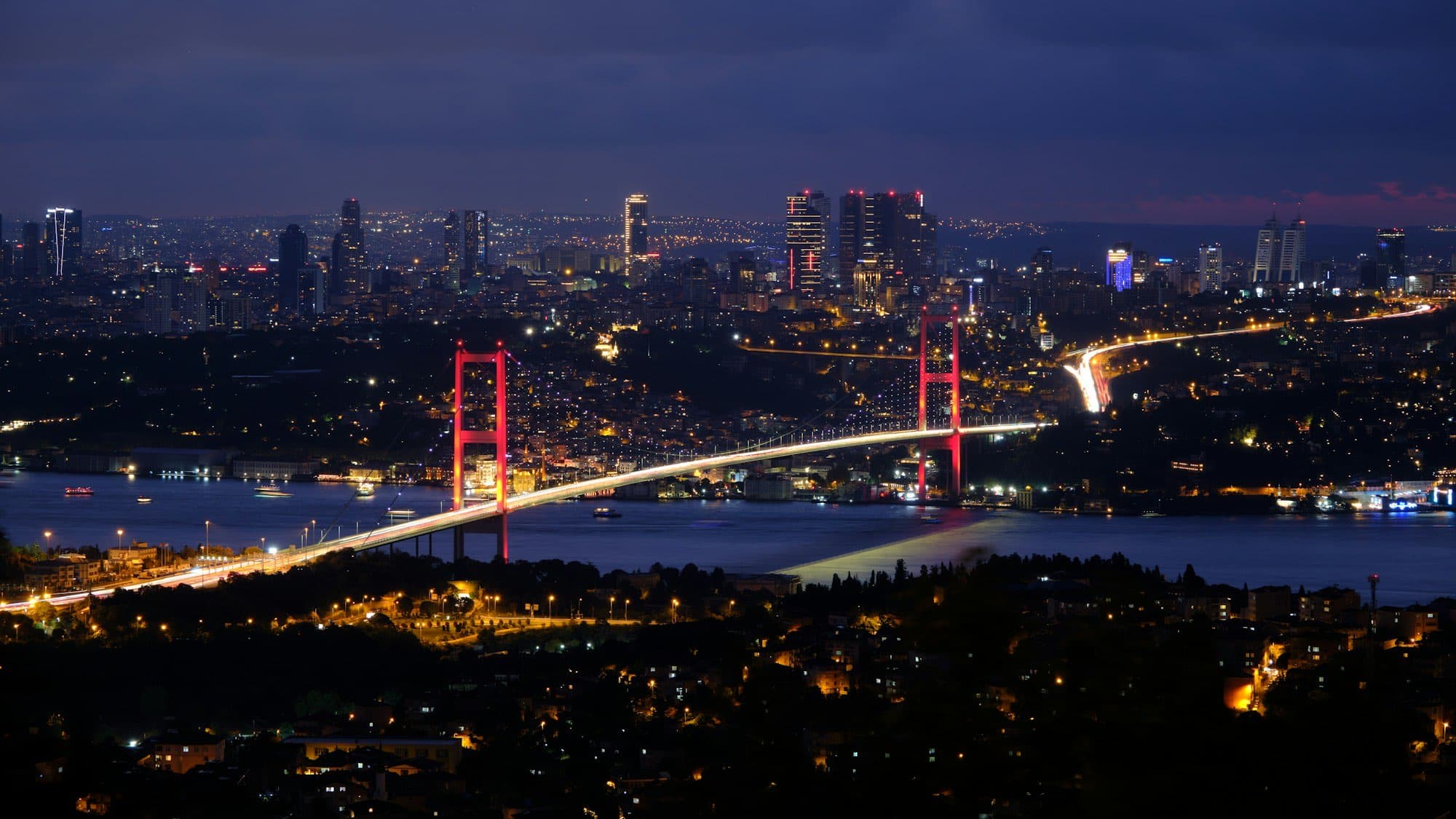
For seeing the Bosphorus from the shore, the Ortaköy–Bebek stretch is a walkable route: the bridge stands behind Ortaköy Mosque, and the waterfront walk takes about half an hour. Dolmabahçe Palace is on the same line; it is ticketed, and the interior visit runs to a set arrangement.
Seeing the Bosphorus from the water is a separate day — which ferry, how long, from which pier — and all of that is in the Bosphorus tour guide. Rumeli Hisarı is visible from the shore road, but going inside is a stop of its own.
One small note: in most restaurants sold on the promise of a view, what you are paying for is the window, not the food. The same view is free from the Süleymaniye courtyard.
Bazaars and streets
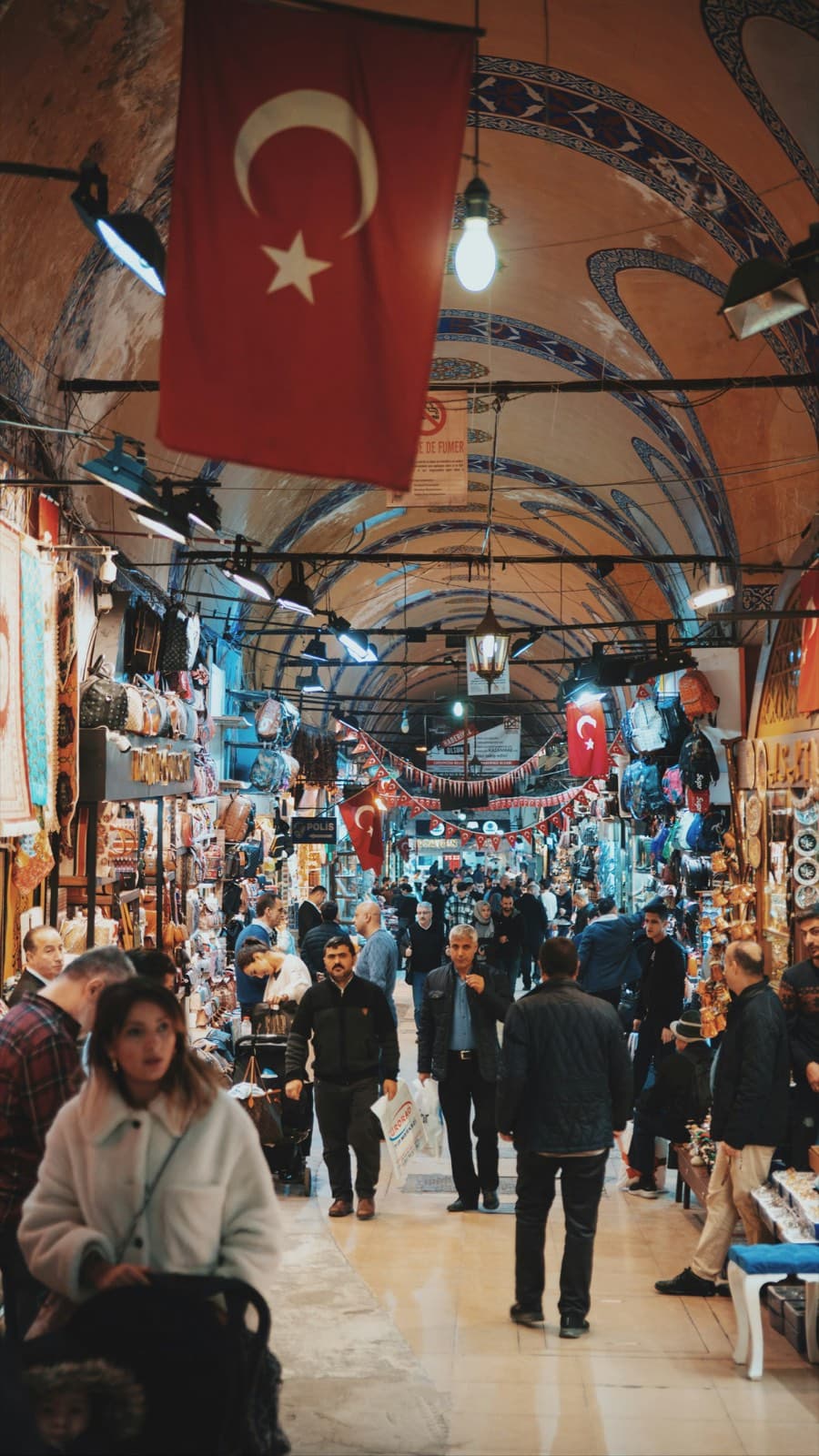
The Grand Bazaar is a place to visit as much as a place to shop: covered lanes from the fifteenth century and close to sixty streets. It is closed on Sundays, and plenty of people let their programme land on a Sunday without noticing. Losing your bearings inside is normal; knowing that the exit gates are numbered helps.
The Spice Bazaar is smaller and goes faster — mostly spices, Turkish delight and nuts. The streets around it are in truth more interesting than the bazaar itself: on the Tahtakale side there are trade streets where people from Istanbul do their own shopping.
İstiklal Avenue is not on the historic peninsula but in Beyoğlu. It starts at Taksim Square and runs down to Tünel, the old tram passes along the middle of it, and walking it end to end takes half an hour. In the evening it is the most crowded point in the city.
What to buy, where, and how bargaining works — that is set out in detail in the shopping guide.
Families with children need a different list
For a family with a small child, the historic peninsula is a hard day: queues, heat and walking pile on top of one another. The city has a different list on this side.
Miniatürk shows scale models of Türkiye's buildings in the open air, at a size a child can walk. Aquariums and the entertainment floors inside the big shopping centres earn their place on a rainy or very hot day.
The municipal ferry is the easiest thing to do with a child: you sit, you get air, and it runs on the public transport fare. So do the big parks such as Emirgan and Gülhane — grass and shade in central Istanbul are not as easy to find as people assume, and those two are the exception.
How to build the day hour by hour and which stretches actually work is written up in the guide for families with children.
How many places fit into one day
Because the lists are long, the programme gets built long too; that is the most common mistake. What fits comfortably into a day in Istanbul is two major stops and a walk through one neighbourhood. Three major stops is tight but possible; four usually does not work, because the day goes into the road and the queues.
The reason is not distance but transfer time. Crossing from the historic peninsula to Beyoğlu or to the Asian side looks short on the map and can take an hour in evening traffic. Changing sides within a single day is the most expensive decision in a programme — not in money, in hours.
The arrangement that works is to split the days by geography: one day for the historic peninsula, one for the Beyoğlu–Bosphorus line, one for the Asian side or the Princes' Islands. Seen that way, three full days give you the outline of the city and five days make it comfortable.
Nine to eleven in the morning are the two most valuable hours of the day: the same places take twice as long to see in the afternoon.
Common questions about this guide
Let us build the programme in this guide for you
Send your dates and party size; we will come back the same day with the route and a fixed price.
Message on WhatsApp