- Hottest
- July–August, humid
- Wettest
- December–March
- Year-round
- Wind and comfortable shoes
The temperature number misleads
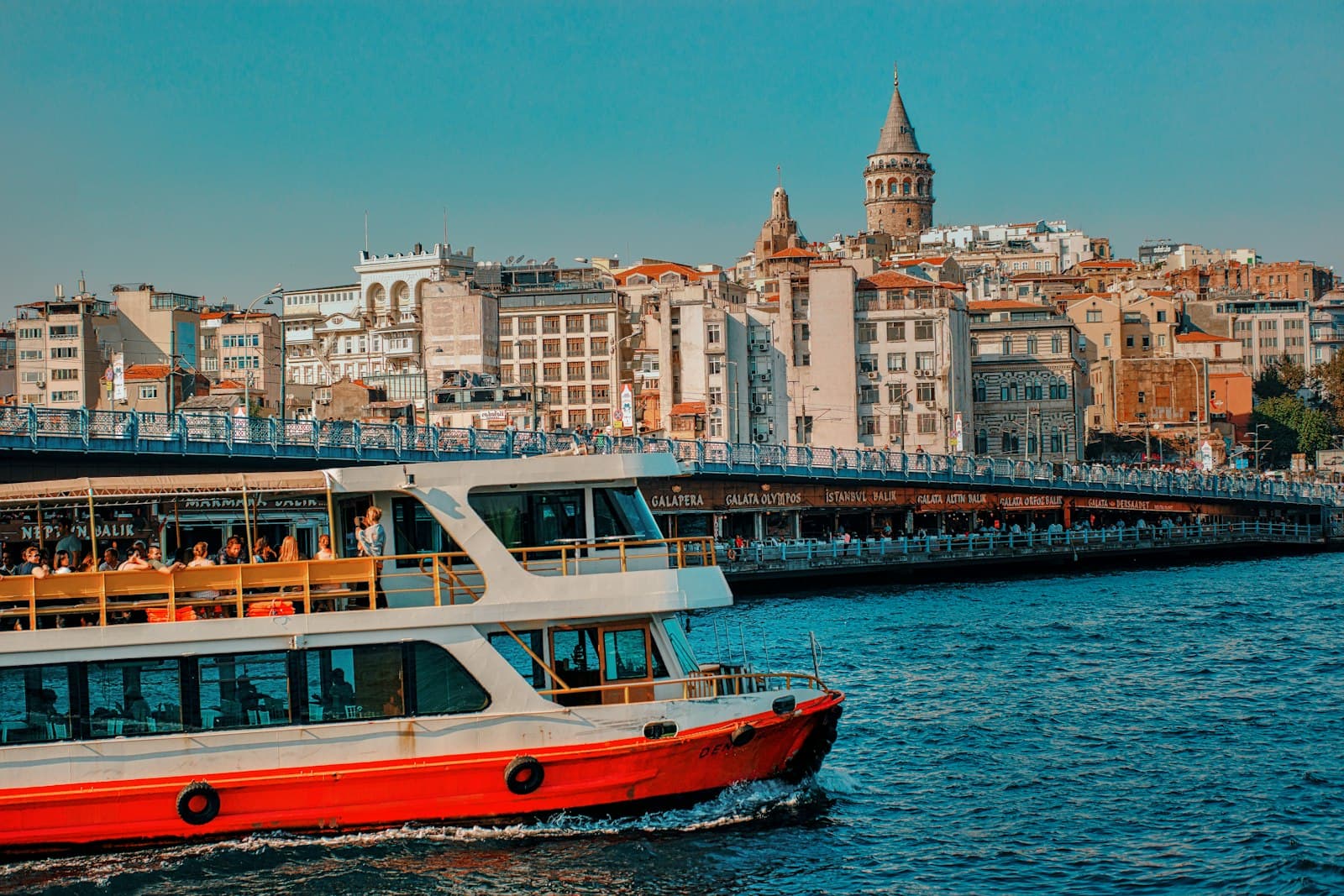
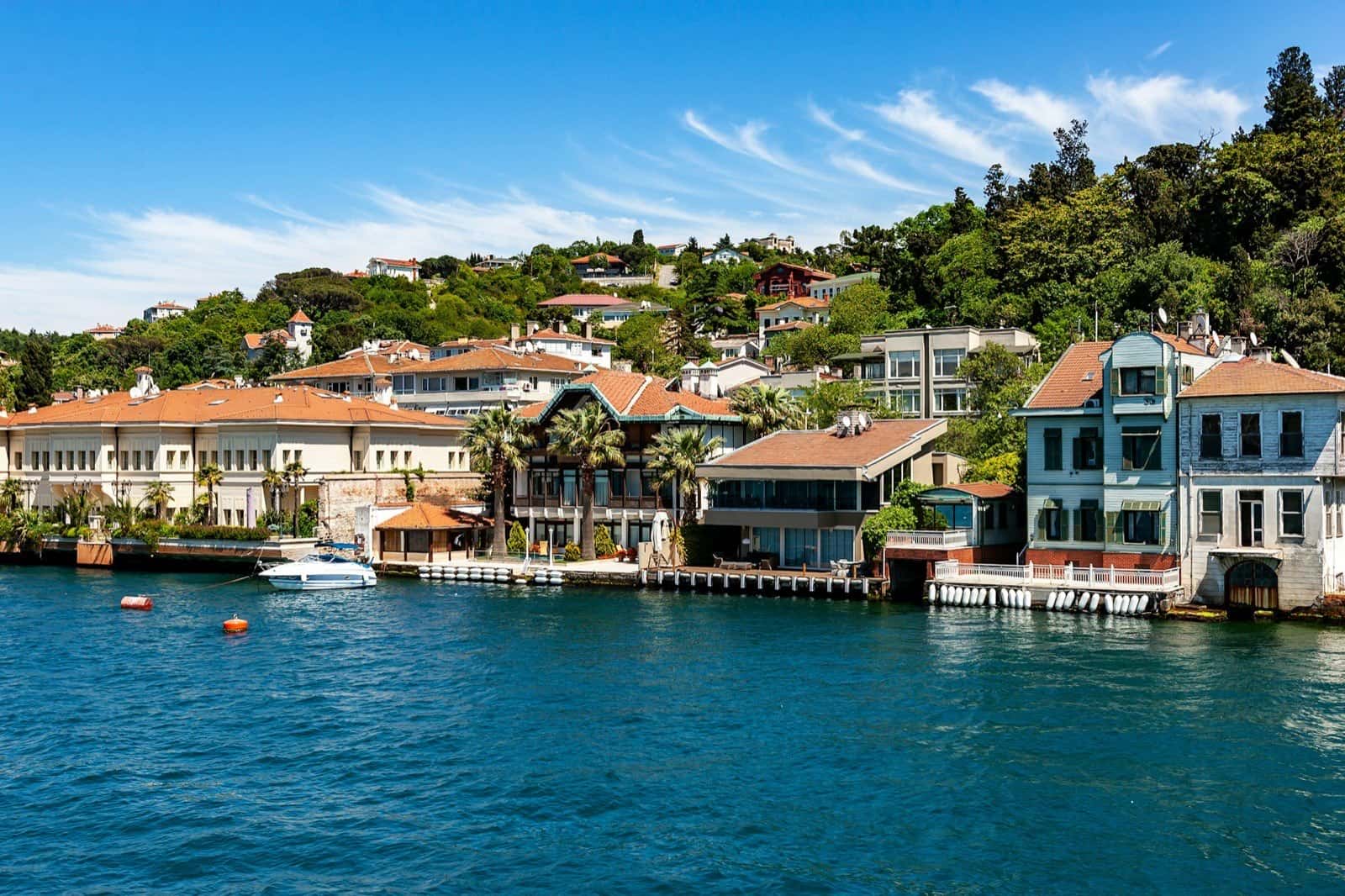
Istanbul is surrounded by water, and humidity pushes the felt temperature up in summer and down in winter: 30 degrees feels different from 30 in the Gulf, and so does 8. Wind off the Bosphorus is there year-round and cools the evenings noticeably; you feel it most on a boat trip.
What to pack by season
In spring and autumn layers are the answer: mornings are cool, midday mild, evenings cool again; a light waterproof takes no space. In summer, light breathable fabrics, a hat and a thin layer for evenings. In winter, waterproof shoes matter more because of wet pavements than because of the rain itself.
Mosques and shoes
For mosque visits shoulders and knees must be covered and women need a headscarf; a free cover is given at the entrance, though bringing your own shawl is more comfortable. Shoes come off and go into a bag, so easy-off shoes and clean socks make the day easier. Much of the historic peninsula is cobbled; heels do not work on this tour.
Six cities, six different climates
There is no single answer to "what is the weather like in Türkiye"; you can experience a thirty-degree difference in the same week depending on which city you go to.
Istanbul is temperate and humid. Summer sits around thirty degrees but the humidity raises how it feels; winter is just above freezing and the wind sharpens the cold. Rain is spread through the year, heaviest from November to March.
Antalya has a Mediterranean climate: dry and very hot in summer, passing forty degrees in July and August. Winter is mild and wet at around fifteen degrees; not for swimming, but the city is walkable.
Bodrum and the Aegean are drier; the summer heat resembles Antalya but the wind is constant and makes it bearable. With low humidity, the shade is cool.
Trabzon and the Black Sea are the wettest part of Türkiye and the coolest in summer. In August the coast is twenty-five to thirty degrees and humid; the highlands are fifteen the same morning. Rain is possible all year, even in summer.
Bursa and Sapanca sit in between: a little cooler than Istanbul, with snow certain on Uludağ and Kartepe in winter. At Sapanca the lakeside is cool in the mornings while the midday temperature is close to Istanbul's.
What to pack: a list for four seasons
Summer (June to August): light cotton clothes, a hat, sunglasses, sunscreen. For mosques, something covering shoulders and knees — a light shirt or a shawl does it. Swimwear and a towel on the coast; comfortable walking shoes in Istanbul, because the historic peninsula is stone from end to end.
Spring and autumn (April-May, September-October): layers are the right answer. Cool in the morning, warm at midday, cool again in the evening. A light jacket or cardigan and a foldable raincoat with it. In these two windows two thin layers work better than one thick coat.
Winter (December to March): a warm coat, a scarf, waterproof shoes. Snow does not fall in Istanbul every year but rain does, and the stone streets turn slippery. Going up to Uludağ or Kartepe, add gloves and a hat; the summit is eight to ten degrees below the city.
If you are heading to the Black Sea, take a raincoat whatever the season. You can catch rain even in August, and mist on the highland road is normal.
Common questions about this guide
Let us build the programme in this guide for you
Send your dates and party size; we will come back the same day with the route and a fixed price.
Message on WhatsApp