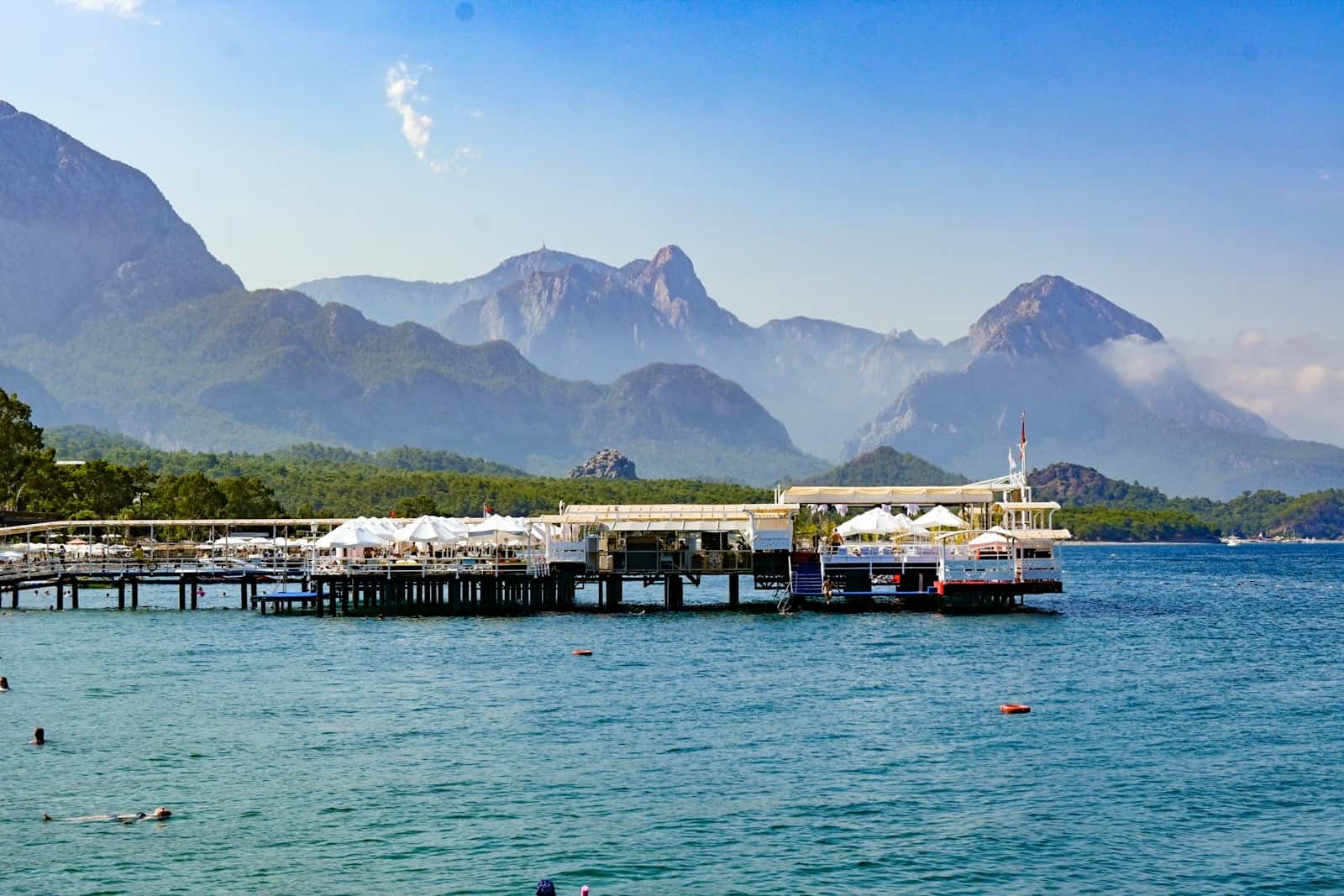
- Coastline
- ~200 km from Kemer to Alanya
- Swimming season
- May – October
- Getting there
- By air; ~1.5 hours from Istanbul
Antalya is a coastline, not a city
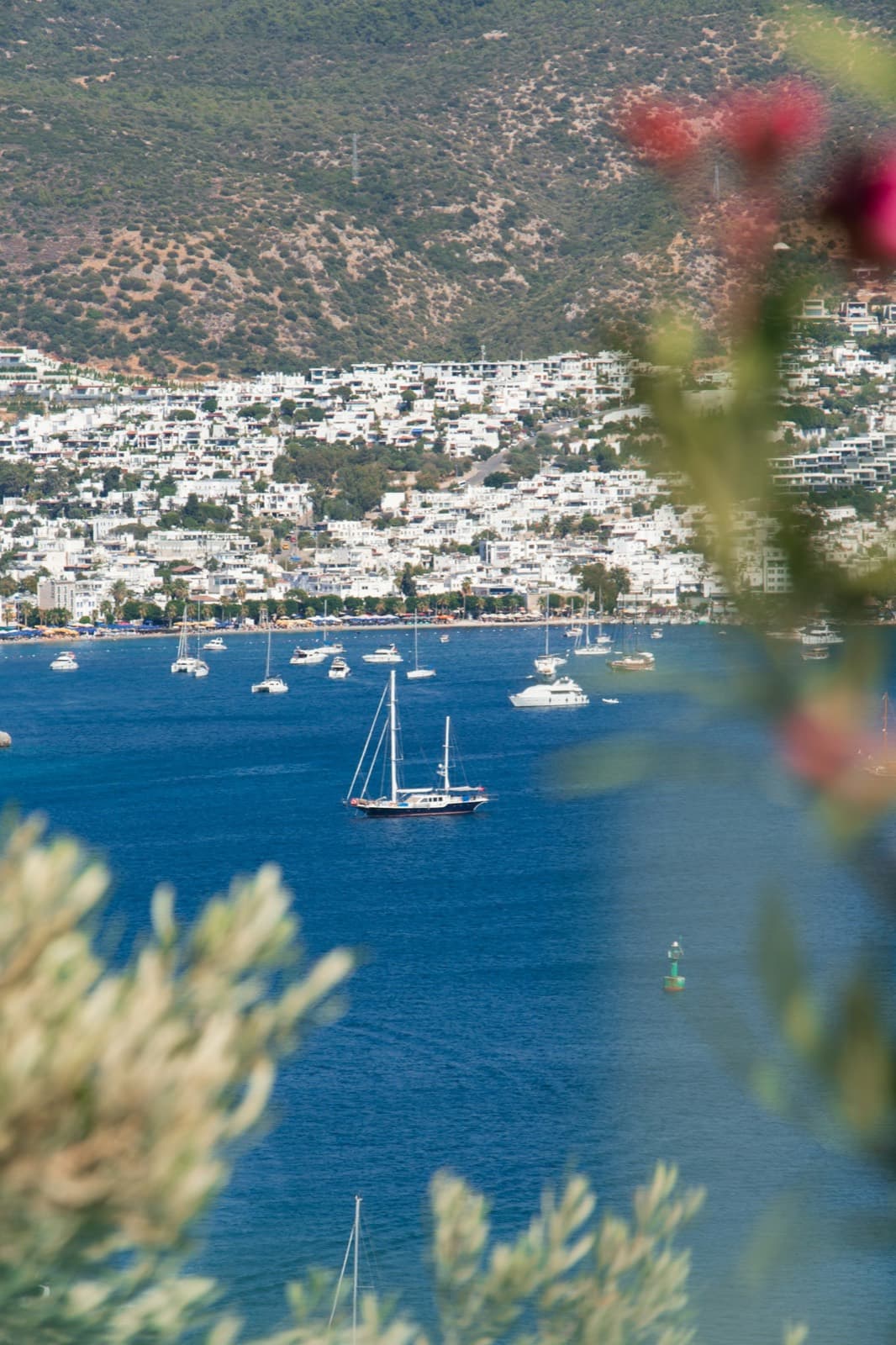
On a map it looks like one name, but the tourist region of Antalya runs two hundred kilometres from Kemer to Alanya. "We're going to Antalya" therefore says little on its own: someone staying in Kemer is not having the same holiday as someone in Side. The centre offers a city break around Kaleiçi with its Roman and Ottoman layers; to the east Belek and Side open onto wide sands, to the west Kemer runs into pine forest and the foot of the mountains. Alanya is the furthest and liveliest end.
District by district: which suits whom
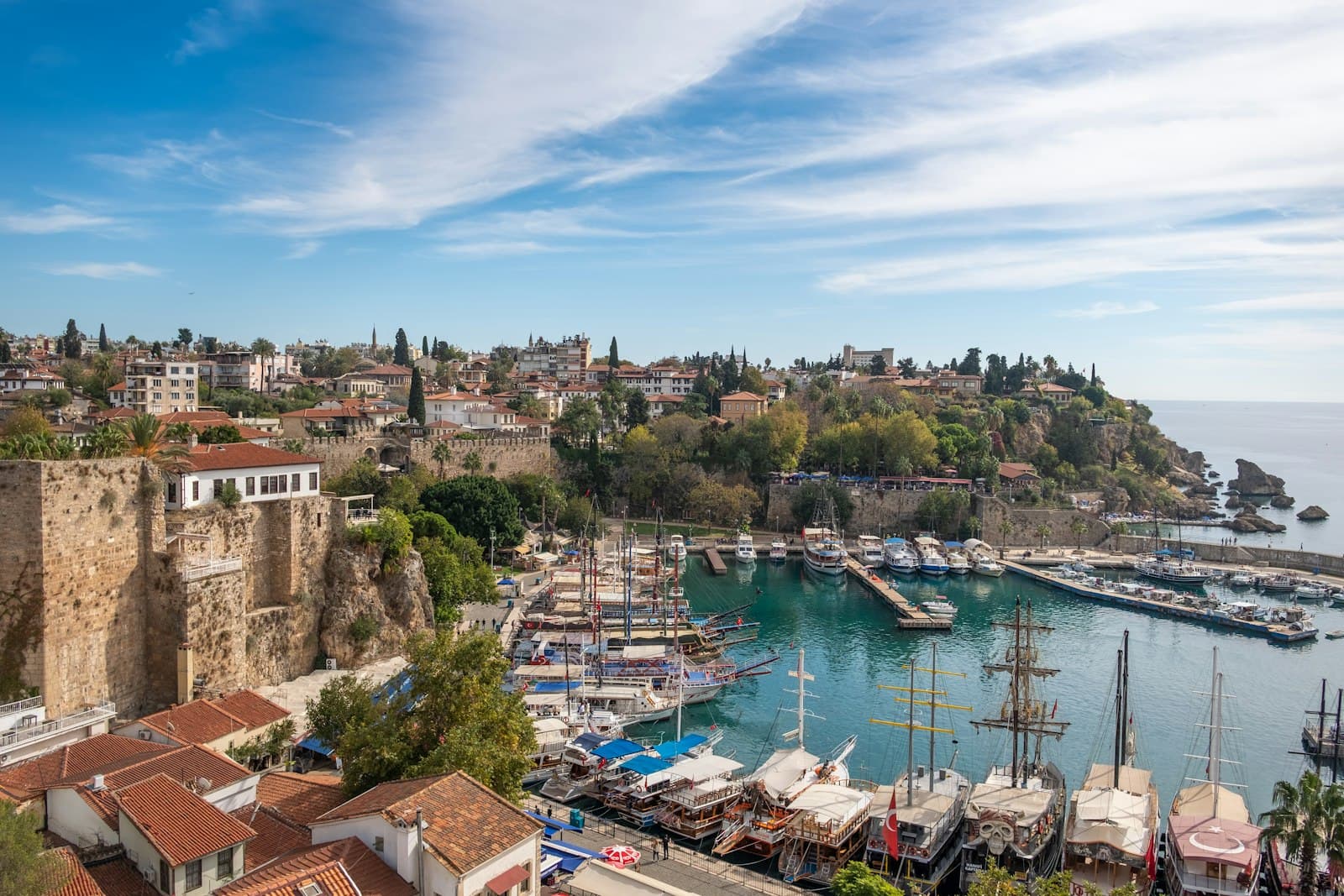
Kaleiçi and the centre suit people who like to explore: museums, bazaars, restaurants and the Düden Waterfall are all close. Belek is calm and orderly, known for its wide sand and golf courses; families who want to avoid crowds choose it. Side joins history to the sea with its ancient theatre and Temple of Apollo. In Kemer the mountains come down to the water and the bays are small and pine-fringed. Alanya, with its castle, caves and long beach, is livelier, and prices are generally friendlier.
When planning
The commonest mistake is going to a different district every day. The coast road is single-lane and slows in summer; two distant stops in one day means half the day in the car. What works is basing yourself in the centre or on the Belek–Side stretch and taking day trips: one day for Kaleiçi and the city, one for Side or Kemer, one for a boat trip, one entirely free. If Alanya is added it needs a full day of its own. Our Antalya tour is the one-day version of this arrangement; we build the remaining days around you.
Sand or pebble: the difference from beach to beach
The thing that shapes an Antalya holiday most, and gets asked about least, is what the beach is made of. The real difference between two hotels in the same area is usually this.
Sand: Lara, Belek and Side. Long, wide, soft beaches; the entry into the water is gradual and it stays shallow for a while. These three are the easiest for families with small children.
Pebble: Konyaaltı and the coves at Kemer. The water is clearer — no sand, so the waves do not cloud the bottom — but the entry is hard underfoot and in places it deepens within a few steps. Water shoes here are a necessity, not a preference.
At the hotel-choosing stage this turns into two questions: does the beach belong to the hotel or is there a road in between, and what is the surface. The second is often absent from listings; the colour on a satellite image gives you an idea, but asking the hotel is the sure way.
One more note: in June and September the sea is at its warmest and the midday sun is bearable. In July and August the hours between eleven and four are heavy for small children on the beach; the pool is more useful than the sea at that time of day.
All-inclusive: ask in advance what is actually included
Most of the large coastal hotels in Antalya run on an all-inclusive basis, and that is what makes the region predictable for a budget. But how far the word "included" stretches varies from hotel to hotel.
Usually included: three main buffet meals, snack hours through the day, local drinks, a pool and beach lounger, and in-house entertainment.
Usually not included: dinners at à la carte restaurants that need booking (in most hotels limited to a set number per stay), imported drinks, spa and massage, water sports, the room safe and minibar, and at some hotels certain kids' club activities.
"Ultra all-inclusive" is not an official classification but the hotel's own description. At one property it covers imported drinks and the à la carte restaurants; at another it means one or two extras on top of the buffet. So ask for the list, not the label.
The concrete questions are these: how many free à la carte dinners across the stay, how the children's age bands are defined, whether the room safe is charged, and whether beach loungers and umbrellas cost extra. Those four are where most of the surprise items appear.
We book the hotel in your name and ask these questions in writing, then pass on the hotel's answer as it is.
Beyond the sea: ancient cities, waterfalls and a canyon
Antalya is not only coast; the region holds Türkiye's densest cluster of ancient cities, most of them under an hour from the hotels.
Aspendos is known for its Roman theatre — one of the best-preserved anywhere, and its acoustics still work. About forty-five kilometres east of the centre.
Perge is the closest ancient city to town; its colonnaded street, baths and stadium leave the plan of a whole city standing. It can be seen on the same day as Aspendos.
At Side the ancient town and the resort are interwoven: the columns of the Temple of Apollo stand at the water's edge, and it is the most photographed place at sunset.
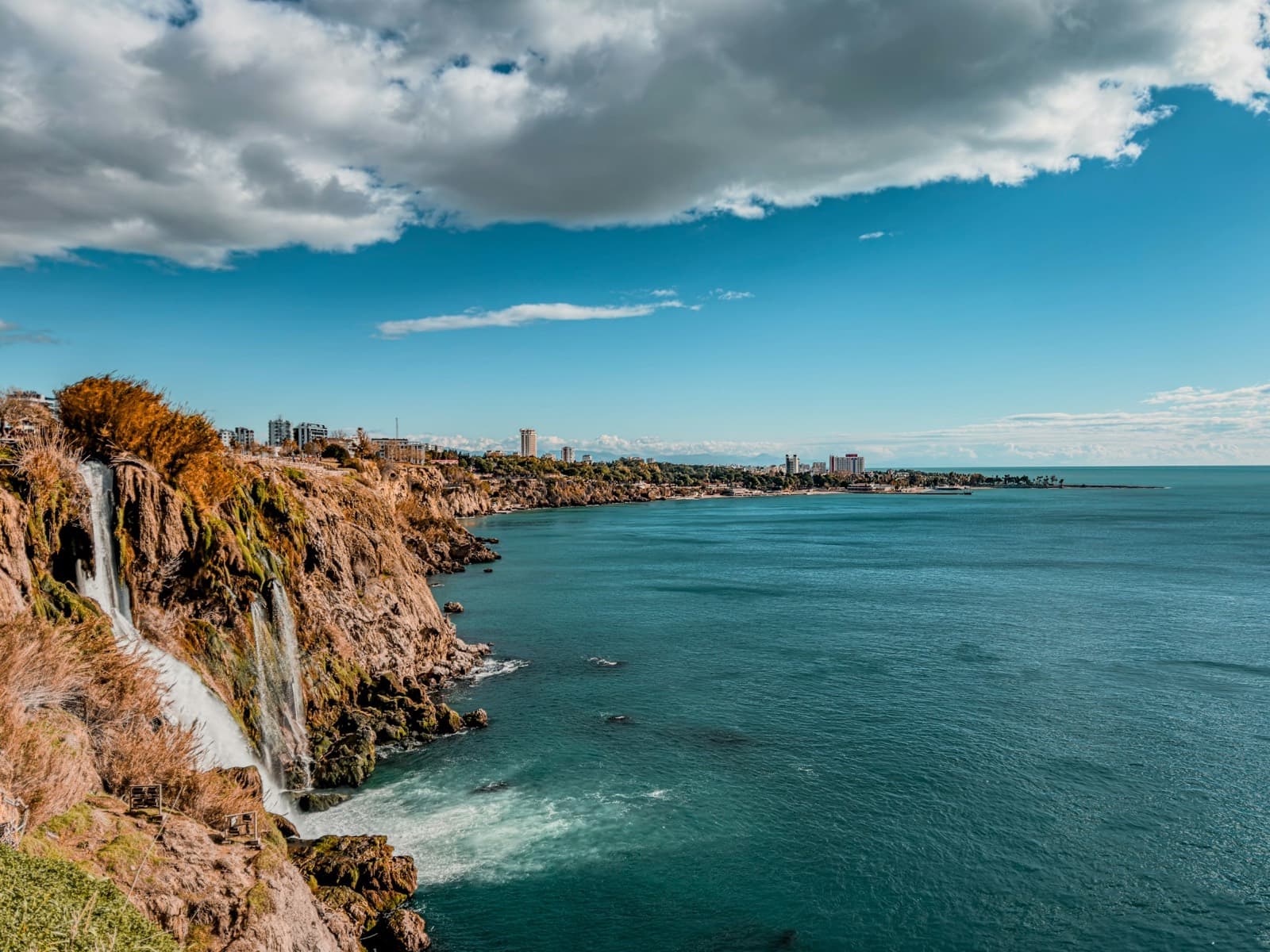
The Düden waterfall comes in two parts. Lower Düden falls straight into the sea and is watched from boats or the cliffs; Upper Düden is inside the city in a wooded park, and its coolness is a refuge on summer middays.
Köprülü Canyon is the rafting area; the water is cold, the pace can be set for families, and the day runs longer than half a day.
Olympos and Yanartaş lie west: natural flames rise from the rock and show up in the dark, which is why people go in the late afternoon.
Fitting all of this into one week is not possible and not necessary. Two ancient cities, a waterfall and a day in nature make a full week without giving up the sea.
Antalya month by month: weather, sea and crowds
Antalya's season is long and the months differ greatly. Choosing the dates is a decision that comes before choosing the hotel.
April and May: mild weather, green countryside, the easiest time of year for the ancient cities. The sea starts warming towards the end of May; in early May it can feel cold. Crowds and prices are low.
June: the most balanced month for most guests. The sea is warm, the sun is not yet heavy, the hotels are fully staffed and the July crowds have not started.
July and August: the hottest and busiest stretch. Being outdoors at midday is hard; the day splits into early morning and late afternoon. Prices peak. These are the two most demanding months for families with small children.
September: for many seasoned travellers the best month. The sea is at its warmest after a whole summer of heating, the heat has eased, and the crowds thin as schools go back.
October and November: excellent for sightseeing, and the sea stays swimmable through October. In November the chance of rain rises and some coastal hotels close their season.
December to March: the beach season is shut but the city is open. Antalya stays green in winter, and on the same day it can be fifteen degrees on the coast and snowing in the Taurus mountains. Not for a beach holiday — for the city and the mountains.
Common questions about this guide
Let us build the programme in this guide for you
Send your dates and party size; we will come back the same day with the route and a fixed price.
Message on WhatsApp