- Stars
- Measures facilities, not quality
- The view
- A big gap between rooms in the same hotel
- Family room
- Defined differently by each hotel; confirm
- Our role
- You choose; we get the price
What a star rating does and does not tell you
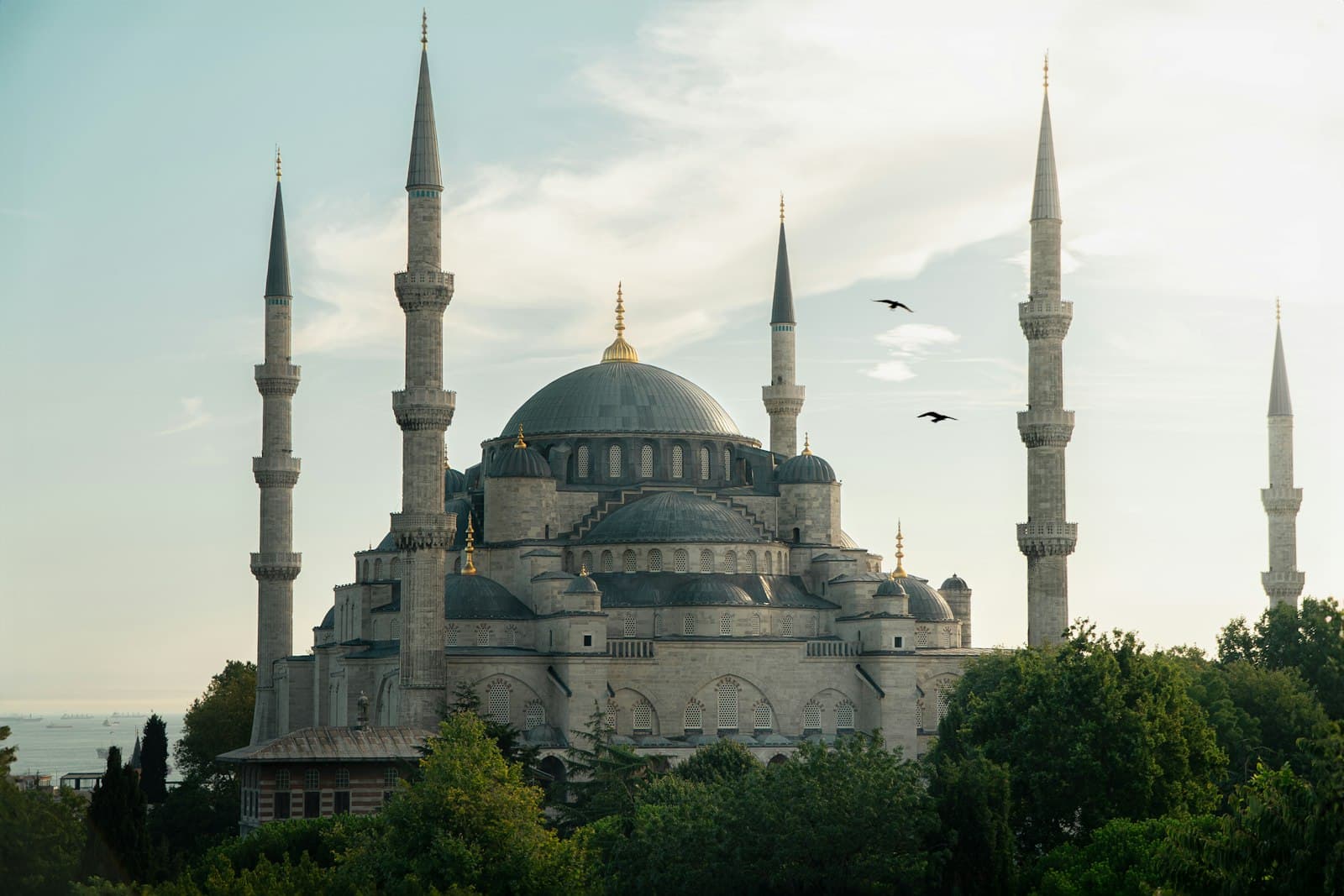
In Türkiye the star rating is a classification certified by the Ministry of Culture and Tourism, and it measures a property's FACILITIES: number of rooms, lifts, restaurant, meeting room, pool and so on. It does not measure service quality, staff attentiveness or how clean the room is.
The consequence: a well-run four-star can give you a better holiday than a badly run five-star. Where five stars genuinely make a difference is in large resorts — pool, spa, several restaurants, a big lobby. A small boutique hotel in the city centre has none of that, yet the room and the location may be far better.
The practical method: look not at the stars but at the last six months of reviews, and specifically hunt for the repeated complaint. One person saying "it was noisy" is chance; ten people saying it is information. When reading, pick dates close to your own season — a hotel criticised for its air conditioning in summer may be faultless in winter.
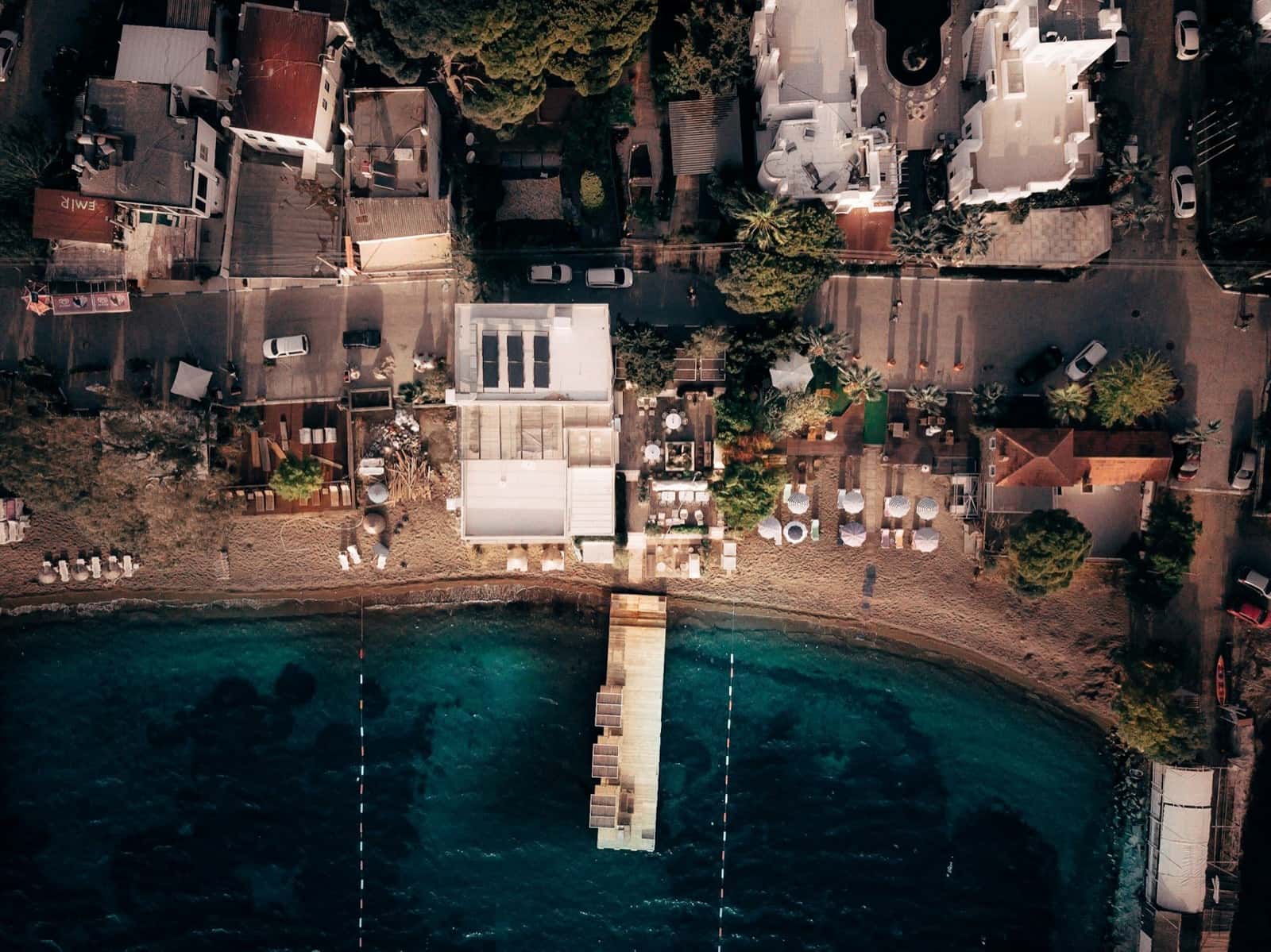
Sea and Bosphorus views: the real price
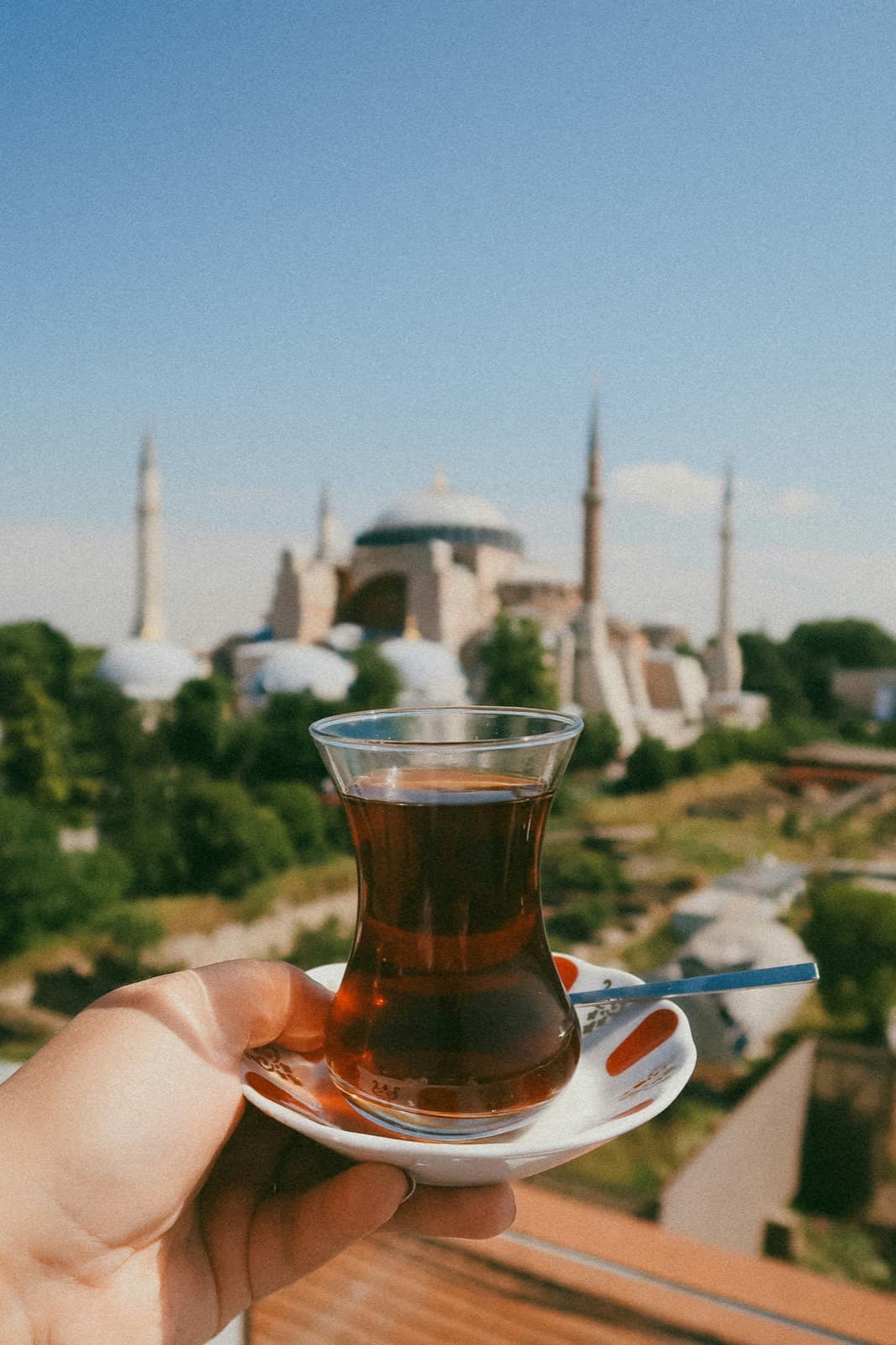
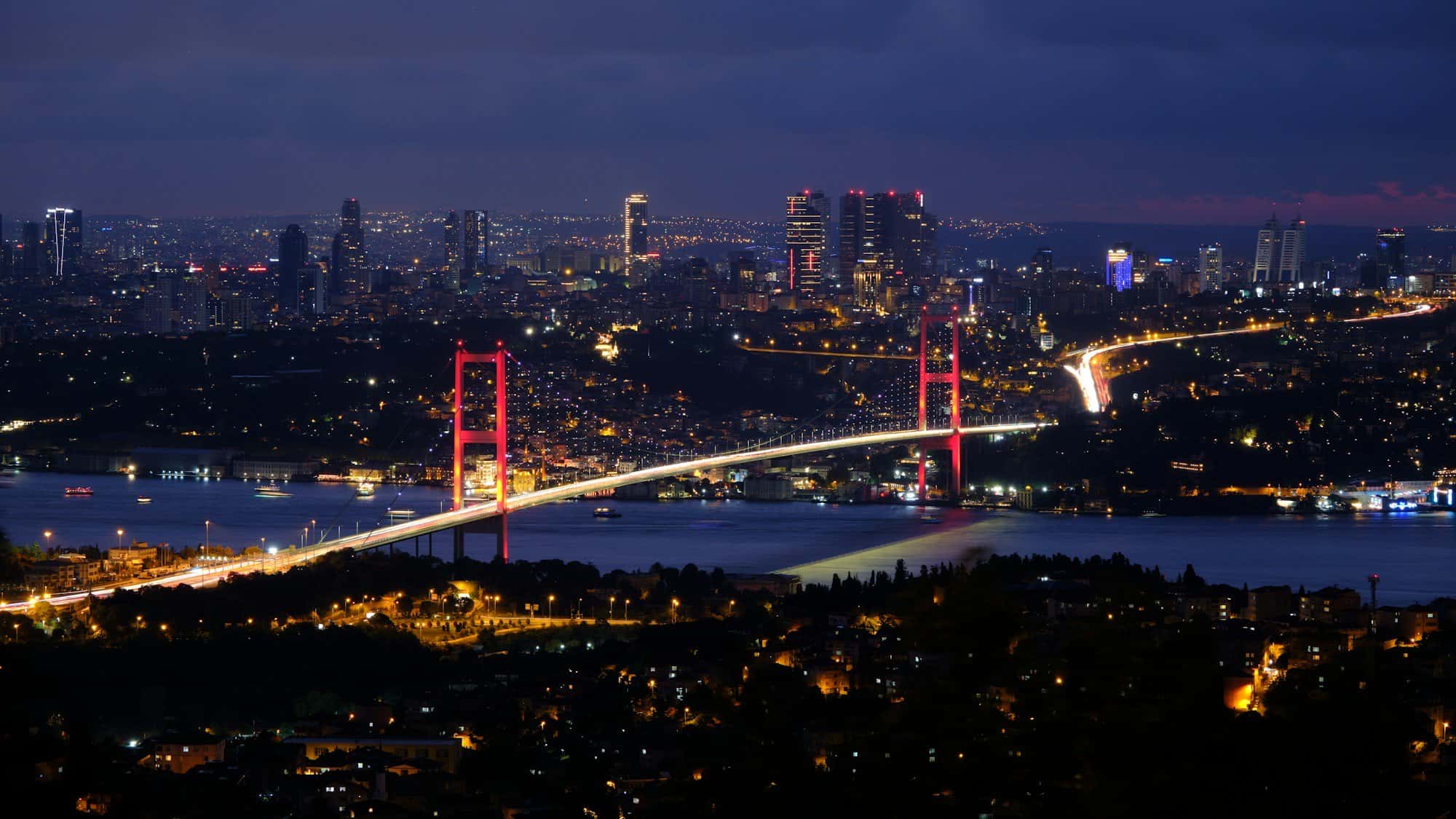
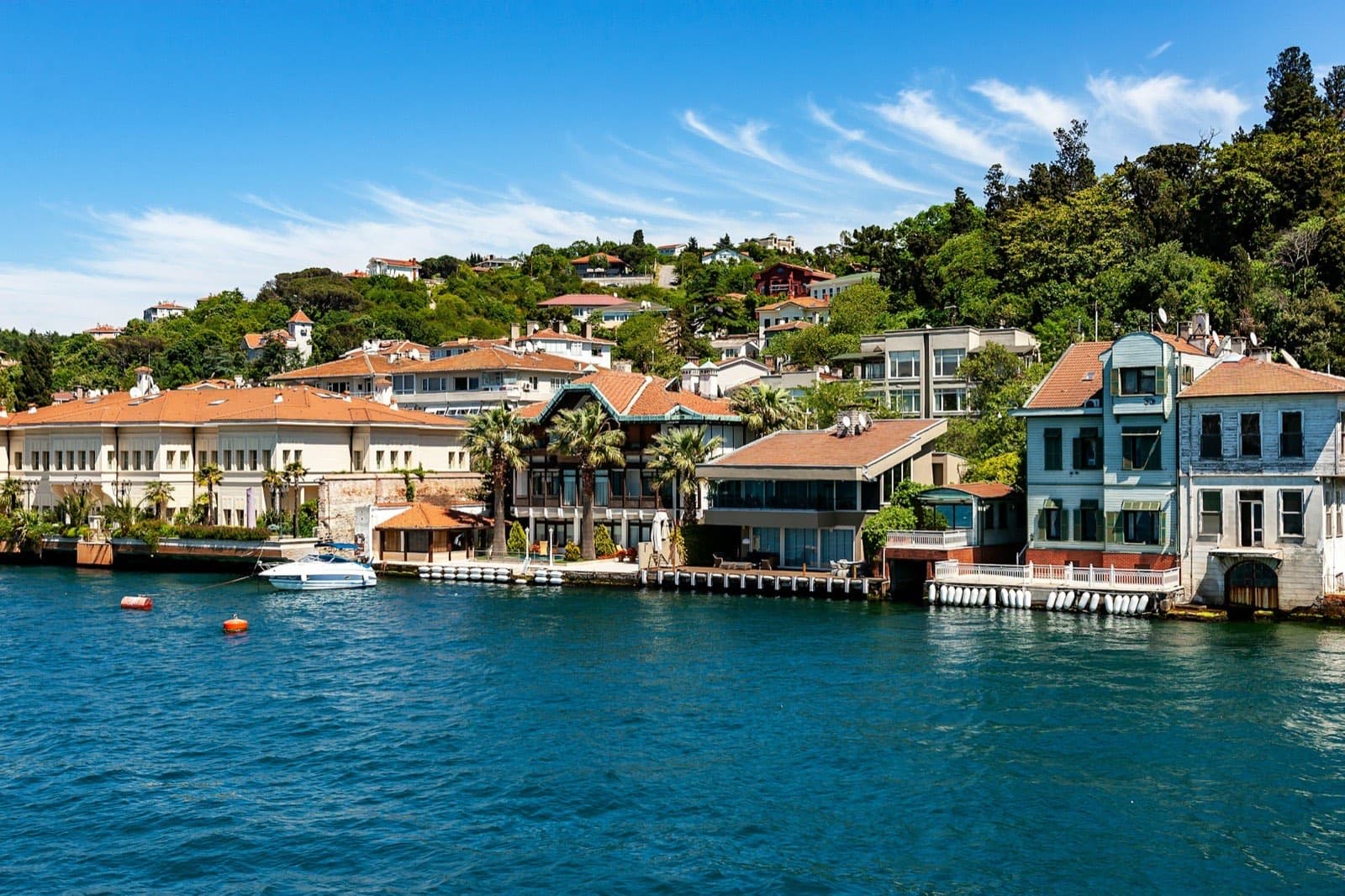
"Hotel with a Bosphorus view" is a much-searched phrase and a fair wish; but two details decide both the price and the satisfaction.
The first is the DEGREE of the view. Hotels usually have three tiers: full view, side view and "partial view". The last often means a slice of sea from the edge of the window, and it can be priced close to a full view. When booking, ask not for the room type's name but for a photograph taken from that room.
The second is how many hours you will actually look at it. A family out sightseeing returns to the room only to sleep; the premium paid for the view is really being paid for a window used in the dark. If, on the other hand, breakfast by the Bosphorus or sitting on the balcony in the evening is part of your plan, the difference earns its keep.
In Antalya a "sea view" means something else: the hotel is usually on the beach and the view is a property of the resort rather than the room. In Trabzon a coastal hotel may be close to the centre but far from the highlands — view and distance have to be weighed together.
Family rooms: same name, different definitions
"Family room" has no standard definition in Türkiye. In one hotel it is a large room with two beds, in another two rooms joined by an internal door, in a third a room with a sofa bed. For a family of five that difference decides the holiday.
Ask three things plainly before booking: how many separate beds are in the room, whether an extra bed for a child is charged, and if you take two rooms whether they will be adjacent. Adjacency is written as "on request" at most hotels and is not guaranteed — not something a family with small children should discover on arrival.
Look at the child age limits too: at many hotels a child stays free up to a certain age, but the limit varies by hotel and shifts depending on whether a bed is requested. This detail does not appear in the quoted price; it appears when you ask.
When we book in your name we ask these three questions for you and get the answer in writing. You choose the hotel; we confirm the details.
Is there a bidet spray: the question worth asking
This is the feature Gulf guests search for most and Turkish hotel listings almost never mention. Many hotel bathrooms in Türkiye have a bidet tap or a hand shower, but it is not a standard and can vary even between room types. It rarely appears in the "bathroom features" list on a hotel's own site.
The surest way to find out is to ask directly. Message the hotel before booking, ask for a photograph of the bathroom, and keep the reply. Hotels that host Gulf guests get this question often and usually answer it clearly.
Two more things in the same category are worth asking: whether the room has a kettle or tea and coffee set, and whether there is a qibla marker. The second is on the ceiling or in a drawer at larger hotels; without one a phone compass does the job, but knowing in advance is easier.
We ask these questions when we book in your name. If the hotel says yes we pass you the written answer; if they are unsure we tell you that as it is — presenting it as present would become a problem on arrival.
Location: near what
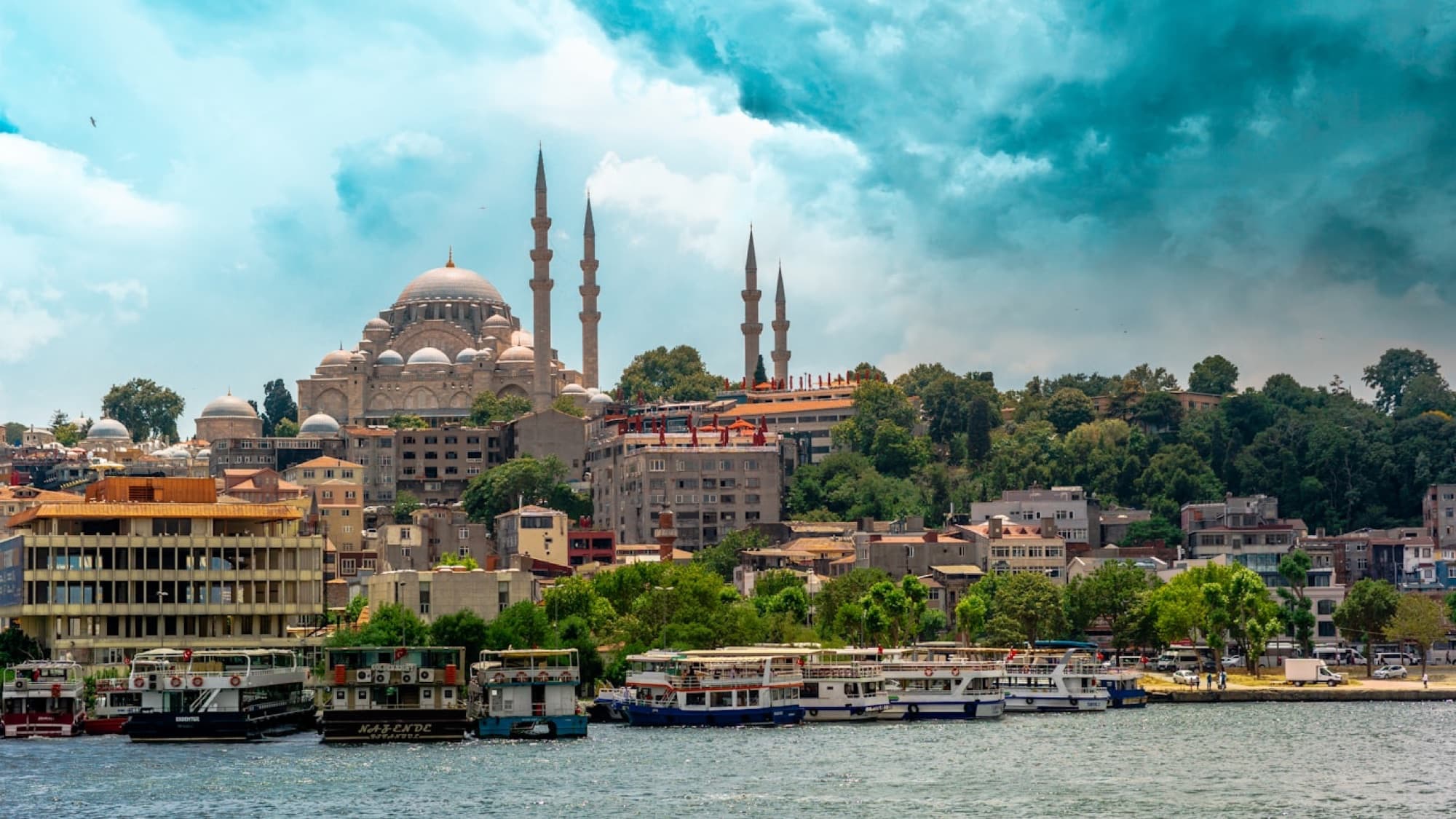
"Central hotel" says nothing on its own; the real question is central to what. Istanbul has three separate centres, and which one you are near shapes your holiday: the historic peninsula (Sultanahmet), nightlife and eating (Taksim–Beyoğlu), and shopping (Şişli–Nişantaşı).
Being near a metro station is often worth more than being near a monument. Traffic in Istanbul is unpredictable; the metro is not. A hotel five minutes' walk from a metro stop is in practice more central than one twenty minutes away by taxi.
Proximity to the airport matters on two days only: the first and the last. Spending the whole holiday out by the airport for that is usually a poor trade — it can make sense as a one-night solution for a very late arrival or a very early departure.
When you give us the hotel address we give you the transfer time as fact rather than estimate, because even within one district name two hotels can be twenty minutes apart.
Common questions about this guide
Let us build the programme in this guide for you
Send your dates and party size; we will come back the same day with the route and a fixed price.
Message on WhatsApp